What Is Specialty Coffee? Your Gateway to Exceptional Brews
As passionate home baristas and coffee enthusiasts, we often hear the term "specialty coffee." But what exactly does it mean? Is it just a fancy label, or does it represent a truly different league of coffee? At Coffee Brew Hub, we believe understanding specialty coffee is the first step to truly mastering your brew and elevating your daily ritual.
In this comprehensive guide, we'll demystify specialty coffee, exploring its defining characteristics, the rigorous grading process it undergoes, and the crucial role of ethical sourcing. Get ready to transform your perception of coffee, from a simple beverage to an intricate sensory experience.
Defining Specialty Coffee: Beyond Just "Good"
The term specialty coffee isn't just about taste; it signifies a commitment to quality at every single stage of the coffee production chain. From the specific varietal grown on the farm to the way it's brewed in your kitchen, every step is meticulously managed to ensure an unparalleled sensory experience.
The specialty coffee Association (SCA) defines specialty coffee as coffee that scores 80 points or above on a 100-point scale by a certified coffee taster (a "Q Grader"). This objective grading system distinguishes specialty beans from commercial-grade coffees, which typically score below 80 and often prioritize volume and cost over flavor complexity.
But it's more than just a score. specialty coffee embodies:
- Exceptional Quality: Minimal defects and a distinct, complex flavor profile.
- Traceability: Knowing the origin of the beans, often down to the specific farm or lot.
- Sustainability: Environmentally responsible farming practices.
- Fairness: Ethical treatment and fair compensation for farmers and workers.
The Journey of a Specialty Bean: From Seed to Cup
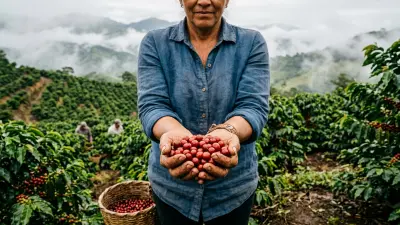
The journey of specialty coffee is a testament to dedication. It starts with careful cultivation in ideal microclimates, where farmers select specific coffee varietals known for their flavor potential. Expert picking ensures only ripe cherries are harvested, followed by meticulous processing methods (washed, natural, honey, etc.) that enhance the beans' inherent characteristics.
Next, skilled roasters transform the green beans, unlocking their aromatic compounds through precise roast profiles. Finally, you, the home barista, complete the journey by brewing the coffee with care and precision, extracting its full potential. Every hand involved contributes to the "specialty" designation.
Grading Specialty Coffee: The 100-Point Scale
So, how does coffee get that coveted 80+ score? This is where the Q Grader comes in. A Q Grader is a highly trained and certified coffee professional who evaluates coffee samples through a standardized process called cupping.
During cupping, coffee is assessed on various attributes:
- Fragrance/Aroma: The smell of the dry and wet grounds.
- Aftertaste: The lingering sensations after swallowing.
- Acidity: The pleasant brightness and liveliness, not sourness.
- Body: The tactile feel or weight of the coffee in your mouth.
- Balance: How well all attributes integrate.
- Sweetness: The perception of sweet taste.
- Clean Cup: Absence of taints or defects.
- Uniformity: Consistency of flavor across multiple cups.
- Overall Impression: The taster's subjective evaluation.
Defects, such as unripe beans or processing errors, significantly reduce a coffee's score. To be considered specialty, a coffee must have zero primary defects and a maximum of five secondary defects in a 350-gram sample of green beans.
Sourcing Specialty Coffee: Transparency and Ethics
One of the pillars of specialty coffee is its commitment to responsible sourcing. Unlike commodity coffee, which often travels through complex, opaque supply chains, specialty coffee emphasizes transparency and traceability.
- Direct Trade: Many specialty roasters engage in direct trade, building relationships with farmers. This cuts out middlemen, ensuring more of the final price goes directly to the growers, incentivizing quality and sustainable practices.
- Ethical Practices: Specialty coffee promotes fair wages, safe working conditions, and environmental stewardship. This often includes shade-grown coffee, water conservation, and biodiversity preservation.
- Information: When you buy specialty coffee, you often see detailed information on the bag: the farm name, region, altitude, varietal, processing method, and even the farmer's story. This connection to the origin enhances your appreciation for the product.
Sourcing responsibly means you're not just buying a delicious beverage; you're supporting a sustainable ecosystem and empowering communities.
Why Choose Specialty Coffee for Your Home Brew?
Choosing specialty coffee for your home brewing journey offers numerous benefits:
- Unrivaled Flavor: Experience a spectrum of nuanced flavors and aromas you won't find in commercial coffee.
- Consistency: The meticulous care at every stage leads to a more consistent and predictable brewing experience.
- Ethical Impact: Support a system that values farmers, workers, and the environment.
- Educational Journey: Explore different origins, varietals, and processing methods, deepening your coffee knowledge.
Embrace the World of Specialty Coffee
Understanding specialty coffee is about appreciating the art and science behind every exceptional cup. It's a journey that connects you to dedicated farmers, skilled roasters, and a vibrant community committed to quality.
As you continue to refine your brewing skills with Coffee Brew Hub, we encourage you to explore the diverse and exciting world of specialty coffee. Pay attention to those scores, read about the origins, and savor the complex flavors. Your taste buds—and the global coffee community—will thank you.