The Secret Life of a Coffee Bean: Why Processing Matters
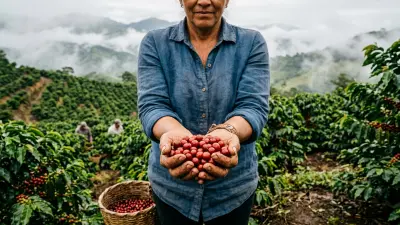
You've brewed countless cups, explored different origins, and maybe even experimented with grind sizes. But have you ever considered the journey your coffee bean takes before it even reaches the roaster? The way coffee cherries are processed after harvest is a pivotal, yet often overlooked, stage that profoundly shapes the final flavors in your cup. At coffee brew hub, we believe understanding these methods empowers you to truly master your brew.
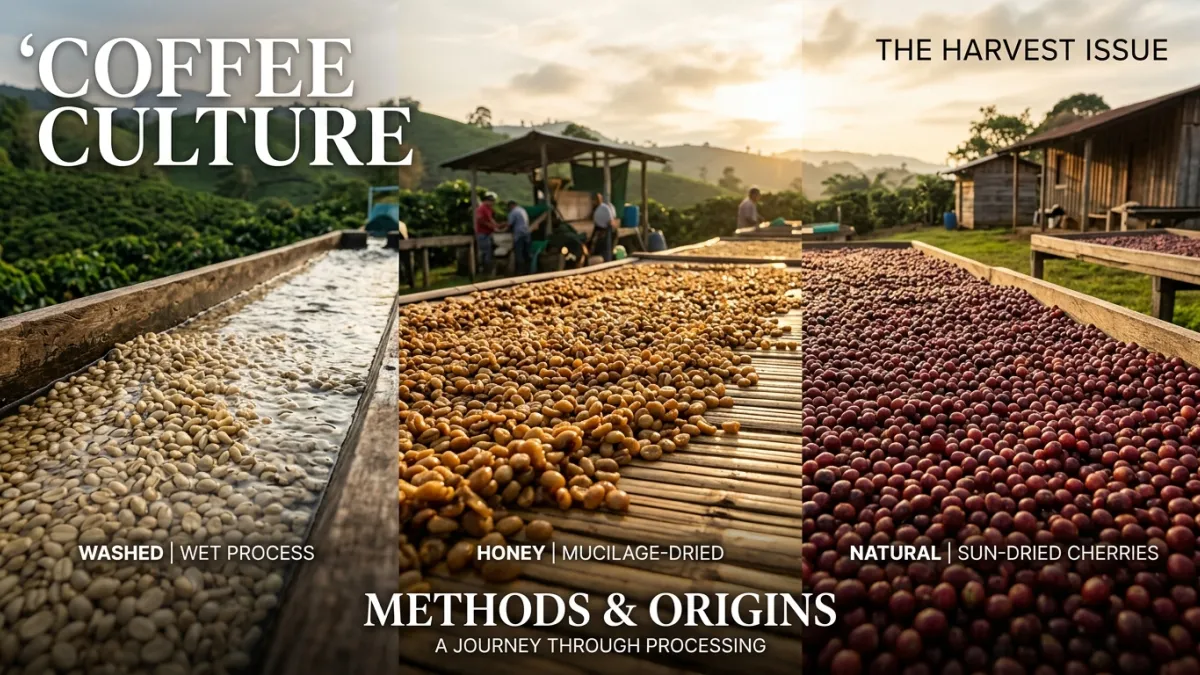
Beyond the variety of the coffee plant or its origin, the processing method dictates how much of the coffee fruit's natural sugars and acids are absorbed by the bean. This article will demystify the three primary processing methods: Washed, Natural, and Honey, revealing their unique impacts on your coffee's aroma, body, and taste.
Washed Process: The Clean & Bright Classic
The Washed Process, also known as the "wet method," is renowned for producing clean, bright, and articulate coffees. It's a labor-intensive method that removes all the fruit flesh (mucilage) from the coffee bean before drying.
How It Works:
- Harvesting & Sorting: Ripe cherries are hand-picked and then sorted, often by floating them in water to remove unripe or defective cherries.
- Pulping: Cherries are fed through a pulper machine that removes the outer skin and most of the pulp, leaving the beans encased in a sticky mucilage layer.
- Fermentation: The mucilage-covered beans are then submerged in water tanks for 12-48 hours. During this controlled fermentation, enzymes break down the sticky mucilage.
- Washing: After fermentation, the beans are thoroughly washed with fresh water to remove any remaining mucilage.
- Drying: The clean, wet beans are spread out on patios or raised beds, or dried mechanically, until they reach the optimal moisture content.
Flavor Profile:
- Acidity: Often bright, crisp, and pronounced.
- Body: Lighter and cleaner.
- flavors: Highlights the inherent characteristics of the bean and its terroir, often presenting floral, citrus, and complex tea-like notes.
Natural Process: The Fruity & Bold Original
The Natural Process, also known as the "dry method," is the oldest and simplest form of processing. It involves drying the entire coffee cherry whole, allowing the fruit's natural sugars to permeate the bean. This method is prevalent in regions with dry climates, like Ethiopia and Brazil.
How It Works:
- Harvesting & Sorting: Ripe cherries are hand-picked or mechanically harvested, then sorted to remove unripe or overripe fruit and debris.
- Drying: The whole cherries are spread out on patios, raised beds, or tarps in thin layers to dry under the sun for several weeks. They are regularly raked or turned to ensure even drying and prevent mold.
- Hull removal: Once dried, the outer skin, pulp, parchment, and silverskin are all removed in one step by a hulling machine.
Flavor Profile:
- Acidity: Lower, often softer or wine-like.
- Body: Heavier, fuller, and often syrupy.
- flavors: Distinctly fruity, jammy, and sweet, often exhibiting notes of berries, tropical fruits, chocolate, and a pleasant fermentation character.
Honey Process: The Best of Both Worlds?
The Honey Process (not involving actual honey!) originated in Costa Rica and is a hybrid method. It sits between the Washed and Natural methods, aiming to capture the sweetness of naturals while maintaining some of the cleanliness of washed coffees. The "honey" refers to the sticky, honey-like mucilage left on the bean during drying.
How It Works:
- Harvesting & Pulping: Ripe cherries are harvested and then pulped, similar to the washed method, to remove the outer skin. However, varying amounts of the sticky mucilage layer are intentionally left on the bean.
- Drying: The mucilage-coated beans are immediately spread out to dry, typically on raised beds. The amount of mucilage left on the bean and the drying conditions dictate the "honey" type:
- White Honey: Minimal mucilage left, dries quickly, closer to washed.
- Yellow Honey: More mucilage, moderate drying time.
- Red Honey: Significant mucilage, longer drying, often in shade.
- Black Honey: Most mucilage left, longest drying, almost entirely in shade, can resemble a natural.
- Hull removal: Once dried, the remaining mucilage and parchment are removed.
Flavor Profile:
- Acidity: Balanced, often mellow.
- Body: Medium to full, often creamy.
- flavors: Distinct sweetness, caramel, chocolate, stone fruit notes, often a rounded complexity that combines fruitiness with clean acidity.
Which Process is Right for Your Brew?
Understanding these processes opens up a world of flavor exploration. There's no "best" method; it simply depends on your preference and desired cup profile:
- For a clean, bright, and nuanced cup that highlights the coffee's origin characteristics, opt for a Washed coffee.
- If you crave a bold, fruity, and full-bodied experience with rich sweetness, reach for a Natural.
- Seeking a balanced cup with pronounced sweetness and a creamy body that bridges the gap, a Honey processed coffee is your go-to.
Exploring Beyond: A World of Flavor
Now that you understand the fundamental differences, you're better equipped to make informed choices when selecting your next bag of beans. Don't be afraid to experiment! Try brewing different processing methods side-by-side to truly appreciate their impact on the final cup. Your kitchen is your personal café, and with this knowledge from coffee brew hub, you're well on your way to mastering every pour.