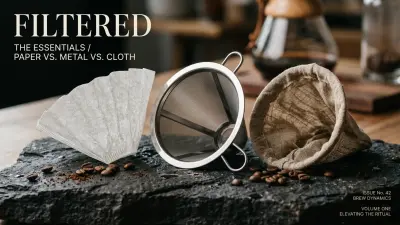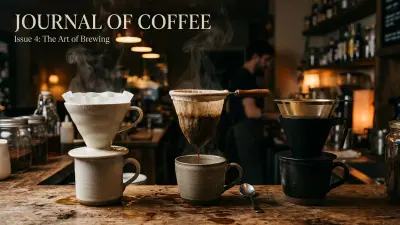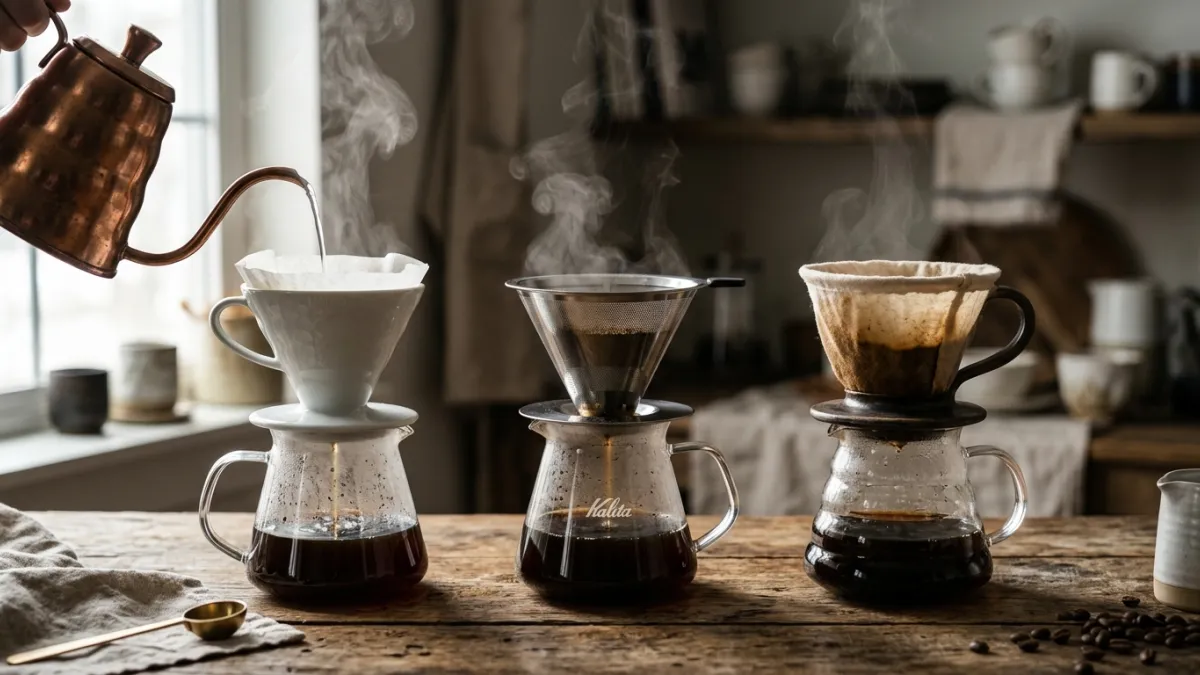
Coffee Filters Explained: Which Material (Paper, Cloth, Metal) is Best for Your Brew?
Every true home barista knows that mastering coffee brewing isn't just about the beans or the grind; it's about understanding every variable that contributes to that perfect cup. And right there, often overlooked, is the humble coffee filter. Far from a mere accessory, your filter material profoundly impacts the flavor, body, and clarity of your brew. At coffee brew hub, we believe in empowering you to make informed choices, so let's dive deep into the world of coffee filters.
Paper, cloth, or metal? Each offers a unique pathway to extracting coffee, influencing everything from sediment levels to the oils that make it into your mug. Understanding these differences is key to consistently brewing your ideal cup.
Paper Filters: The Clean & Bright Classic
Paper filters are undoubtedly the most common choice for drip machines and pour-overs alike. They act as a highly effective barrier, trapping virtually all coffee grounds and most of the insoluble oils.
- Pros:
- 1. Clean Cup: Produces a brilliantly clear, sediment-free cup with distinct, bright flavors.
- 2. Flavor Clarity: By filtering out oils and micro-fines, paper highlights the coffee's inherent acidity and nuanced notes.
- 3. Convenience: Easy cleanup – simply discard the filter and grounds.
- 4. Availability: Widely available in various shapes and sizes.
- Cons:
- 1. Papery Taste: Can impart a subtle papery taste, especially with unbleached filters, if not properly rinsed with hot water before brewing.
- 2. Environmental Impact: Single-use, contributing to waste.
- 3. Cost: Ongoing expense for regular brewers.
Best For: Pour-over methods (V60, Chemex, Kalita Wave), automatic drip coffee makers, and anyone who prefers a clean, bright, and nuanced cup with a lighter body.
Cloth Filters: The Full-Bodied, Eco-Friendly Choice
Often overlooked, cloth filters (like those used in the traditional Hario Woodneck or certain pour-overs) offer a unique middle ground between paper and metal.
- Pros:
- 1. Reusable & Eco-Friendly: A sustainable alternative to single-use paper.
- 2. Rich Body: Allows some of the beneficial coffee oils to pass through, resulting in a fuller body and a silken mouthfeel.
- 3. Clean Taste (No Paper): Eliminates any papery off-notes, letting the coffee's true flavor shine.
- 4. Unique Profile: Creates a distinctive brew that many connoisseurs adore.
- Cons:
- 1. Maintenance: Requires diligent cleaning and proper storage (often in water in the fridge) to prevent souring or mold.
- 2. Slower Flow: Can lead to slightly longer brew times due to finer filtration.
- 3. Can Retain Flavors: If not cleaned perfectly, old coffee oils can build up, leading to off-flavors.
Best For: Enthusiasts seeking a richer, rounder cup with excellent clarity and a sustainable brewing practice. Ideal for certain pour-over devices.
Metal Filters: The Bold & Robust Experience
Metal filters, typically made from stainless steel mesh or perforated metal, are designed for longevity and to allow more of the coffee's natural oils and micro-fines into your cup.
- Pros:
- 1. Reusable & Durable: A one-time purchase that lasts indefinitely, making it highly eco-friendly.
- 2. Full-Bodied Flavor: Allows most of the coffee's oils and some micro-fines to pass through, resulting in a bold, rich, and often creamy cup.
- 3. No Paper Taste: Enjoy your coffee purely, without any potential filter interference.
- 4. Cost-Effective: No recurring filter purchases.
- Cons:
- 1. Sediment: You'll often find a small amount of fine sediment at the bottom of your cup, which some dislike.
- 2. Cleaning: Can be more challenging to clean thoroughly, as oils can build up and clog the mesh.
- 3. Less Clarity: The presence of oils and fines can make the cup appear slightly less clear.
Best For: French press (where it's inherent), AeroPress (as a reusable disk), certain pour-over cones, and those who crave a robust, strong cup with a heavy body and aren't bothered by a bit of sediment.
Choosing Your Best Filter: It's All About Preference!
There's no single "best" coffee filter; it truly depends on your desired cup profile, your brewing method, and your personal values (like sustainability).
- For a Super Clean, Bright Cup: Go with paper filters for pour-overs or drip.
- For a Full-Bodied, Rich Brew with Good Clarity: Experiment with cloth filters.
- For a Bold, Robust, and Oily Cup (with some sediment): Metal filters are your friend.
Pro Tip for All Filters: Always adjust your grind size! Finer grinds work well with filters that allow faster flow (like some metal filters), while coarser grinds are better for methods that keep the coffee in contact with water longer (like French press, often with metal filters) or for cloth filters that might have a slower flow. For paper, a medium-fine grind is usually ideal.
Conclusion
The world of coffee filters is a fantastic playground for experimentation. Each material offers a distinct journey for your coffee, revealing different facets of its flavor profile. Don't be afraid to try them all to discover what truly excites your palate! At coffee brew hub, we encourage you to turn your kitchen into a personal café, and understanding your filters is a big step on that journey. Happy brewing!