Unlocking the Mystery: The Allure of Kenyan Coffee
For any true coffee enthusiast, the name "Kenya" evokes a sense of anticipation and excitement. Known globally for its distinctively bright, complex, and utterly captivating flavor profiles, Kenyan coffee stands as a beacon of excellence in the specialty coffee world. At coffee Brew Hub, we believe understanding what makes these beans so special is the first step to truly mastering your brew. So, let's embark on a journey to uncover the magic behind Kenyan coffee, particularly its esteemed AA grade.
The Terroir of Kenya: A Recipe for Excellence
Kenya's unique geography and climate are foundational to its coffee's character. Nestled in East Africa, the country's coffee-growing regions are typically found on the high-altitude plateaus surrounding Mount Kenya, ranging from 1,400 to 2,000 meters above sea level. This elevation, combined with other critical factors, creates an ideal environment:
- Volcanic Soil: Rich, red, acidic volcanic soil provides exceptional fertility and essential nutrients, contributing to the coffee plant's vigor and the complexity of the bean.
- Equatorial Climate: Two distinct rainy seasons and two dry seasons allow for two harvests per year, ensuring a continuous cycle of fresh, high-quality cherries. The consistent sunlight and moderate temperatures facilitate slow cherry maturation.
- High Altitude: The cooler temperatures at higher altitudes slow down the ripening process of the coffee cherries. This extended maturation allows the beans to develop a denser cell structure and concentrate their sugars and organic acids, leading to the renowned complexity and vibrant acidity.
Processing Perfection: Washed Process and Cooperative System
The journey from cherry to bean is just as critical as the growing conditions, and Kenya's processing methods are meticulously executed.
The Fully Washed Process
Almost all Kenyan coffee undergoes a stringent fully washed process. This involves:
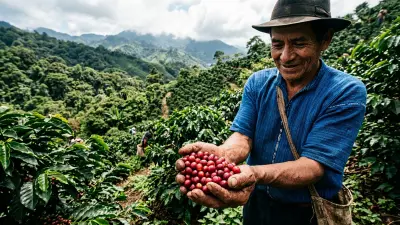
- Cherry Selection: Only ripe, red cherries are hand-picked.
- Pulping: Cherries are passed through pulping machines to remove the outer skin and some fruit pulp.
- Fermentation: The beans, still encased in mucilage, are then submerged in water-filled tanks for 12-72 hours. This fermentation breaks down the mucilage.
- Washing: After fermentation, the beans are thoroughly washed to remove all remaining mucilage.
- Drying: Finally, the clean parchment coffee is spread out on raised drying beds (African beds) to dry slowly and evenly under the sun, often for several weeks. This slow drying is crucial for developing flavor and ensuring stability.
This labor-intensive method contributes significantly to the clean, bright, and consistent cup profile that Kenyan coffee is celebrated for.
The Cooperative System
Most Kenyan coffee is grown by smallholder farmers who are members of farmer cooperatives. These cooperatives often operate their own wet mills (factories) and play a vital role in quality control, processing, and marketing, ensuring fair practices and consistent quality across thousands of small farms.
Understanding Kenyan Coffee Grades: The AA Distinction
Kenya employs a unique and precise grading system for its green coffee beans, primarily based on screen size (the size of the bean). This system helps categorize beans by density and potential quality.
- AA: This is the most sought-after grade. AA beans are large, with a screen size of 17/18 (meaning they pass through a 17/64 inch screen but are retained by an 18/64 inch screen). Larger beans are generally associated with higher density and a greater concentration of flavor compounds, often resulting in a more complex and expressive cup.
- AB: A mix of screen 15 and 16, representing a slightly smaller bean size. Still excellent quality.
- PB (Peaberry): A natural mutation where only one round bean develops inside the cherry, rather than two flat-sided beans. Known for concentrated flavor.
While size doesn't always guarantee flavor, Kenyan AA grade beans are consistently recognized for their exceptional quality and intense flavor potential.
What Flavor Profile Can You Expect from Kenyan AA?
Prepare for a symphony of flavors when you brew a Kenyan AA. Typically, you'll encounter:
- Bright, Sparkling Acidity: Often likened to blackcurrant, cranberry, or a zesty citrus (grapefruit, lemon). This isn't a harsh sourness but a vibrant, refreshing acidity that dances on the tongue.
- Complex Fruitiness: Beyond blackcurrant, notes of passion fruit, rhubarb, tomato, or even savory berry characteristics can emerge.
- Wine-like Body: A medium, often juicy body that can sometimes evoke notes of dry red wine.
- Clean Finish: A remarkably clean, sweet, and lingering aftertaste.
The interplay of these elements creates a truly dynamic and memorable coffee experience.
Brewing Kenyan AA at Home: Unlocking Its Potential
To fully appreciate the nuanced flavors of Kenyan AA, careful brewing is essential. We at coffee brew hub recommend methods that highlight its clarity and brightness:
- Pour-Over (V60, Chemex): These methods are perfect for showcasing the intricate acidity and clean finish.
- Grind Size: Aim for a medium-fine grind, similar to table salt.
- Water Temperature: Use water between 195-205°F (90-96°C). Too hot can extract bitterness, too cool can leave it underdeveloped.
- Coffee-to-Water Ratio: Start with a 1:15 or 1:16 ratio (e.g., 20g coffee to 300-320g water).
- Blooming: Don't skip the bloom! Pour just enough hot water to saturate the grounds and let it sit for 30-45 seconds. This allows gases to escape, leading to a more even extraction.
- Enjoy Black: While you can add milk or sugar, we highly recommend trying your first cup black. This allows the unique flavors to shine through unimpeded.
The Coffee Brew Hub Perspective: Embracing the Kenyan Experience
Kenyan AA coffee is more than just a beverage; it's an exploration of terroir, meticulous craftsmanship, and a vibrant flavor spectrum. It challenges your palate, broadens your understanding of what coffee can be, and rewards you with an unforgettable cup. We encourage you to seek out fresh-roasted Kenyan AA beans from a reputable roaster and experiment with brewing to discover your perfect extraction.
Embrace the journey, master your brew, and transform your kitchen into a personal café, one exceptional Kenyan AA cup at a time.