Introduction: The Allure of Crema
For any passionate home barista, there's nothing quite as satisfying as watching that beautiful, reddish-golden layer bloom atop a freshly pulled espresso shot. This isn't just a pretty foam; it's crema, and it's a hallmark of a well-prepared espresso. But what exactly is it, and what magic creates it? At Coffee Brew Hub, we believe understanding these details empowers you to master your craft. Let's dive into the science and art of crema with some frequently asked questions.
What Exactly Is Crema?
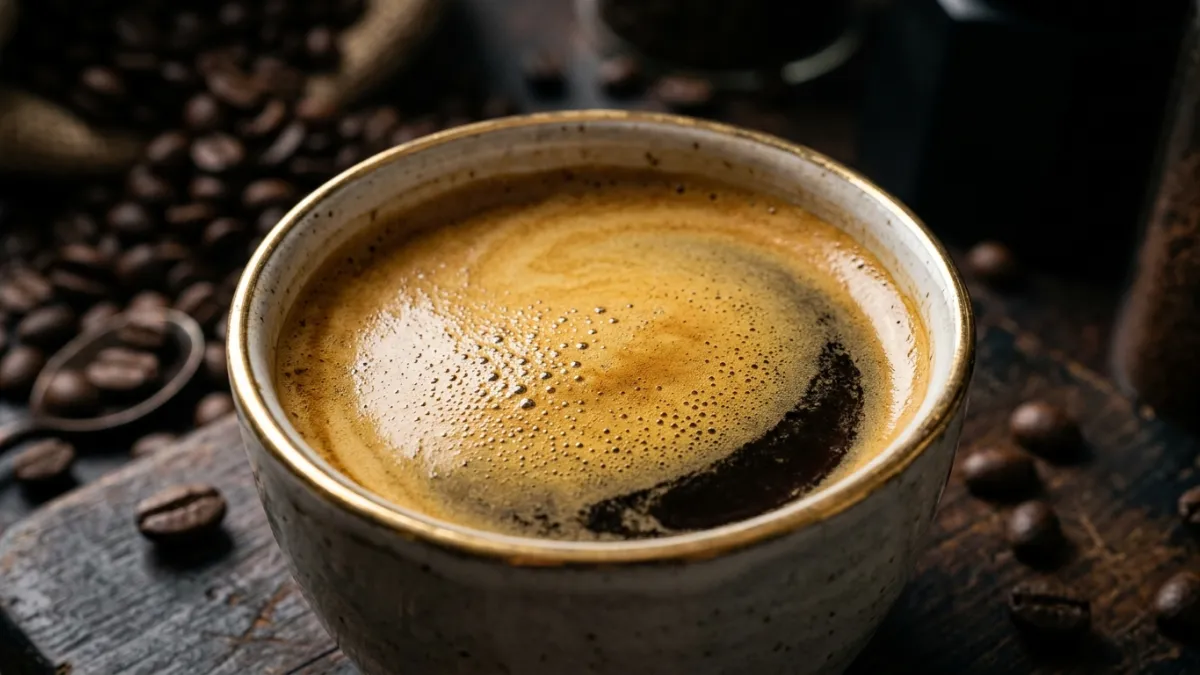
Crema is the thin, reddish-brown foam that floats on top of a shot of espresso. It's essentially an emulsion of coffee oils, proteins, and melanoidins (compounds created during roasting), all suspended by tiny carbon dioxide bubbles. These bubbles, trapped within the liquid, give crema its distinct frothy texture and vibrant appearance. It's unique to espresso because of the specific brewing conditions.
The Science Behind Crema: How Does It Form?
The formation of crema is a fascinating interplay of chemistry and physics, driven by the espresso brewing process itself:
- High Pressure Extraction: espresso machines force hot water through finely ground coffee at high pressure (typically 9 bars). This extreme pressure dissolves large amounts of carbon dioxide gas, naturally present in roasted coffee beans, into the hot water.
- Emulsification of Oils: The intense pressure also emulsifies the natural oils within the coffee grounds. These oils are crucial for stabilizing the CO2 bubbles.
- Sudden Depressurization: As the coffee leaves the pressurized environment of the portafilter and enters the lower-pressure atmosphere of your cup, the dissolved carbon dioxide rapidly comes out of solution.
- Bubble Formation and Stabilization: These escaping gas molecules form countless tiny bubbles. The coffee oils, proteins, and melanoidins then surround and stabilize these bubbles, preventing them from popping immediately and forming the dense, persistent foam we know as crema.
What Does Crema Tell You About Your Espresso?
Crema serves as a visual indicator of several factors regarding your espresso shot:
- Freshness of Beans: Abundant, persistent crema usually signifies fresh coffee beans. As beans age, they degas, losing their CO2 content, which directly impacts crema production.
- Proper Extraction: A good crema, not too thin or too dark, often indicates a well-extracted shot. Too little crema might suggest under-extraction, while very dark, thin crema with a white spot in the middle could point to over-extraction.
- Roast Level: Generally, medium to dark roasts produce more crema because they contain more CO2. Lighter roasts tend to produce less.
- Grind Size & Tamping: An optimal grind size and consistent tamping are crucial. If the grind is too coarse, water rushes through, leading to thin or no crema. If it's too fine, extraction is restricted, potentially leading to a very dark, thin crema.
Is Crema Essential for a Good Espresso?
While traditionally considered a defining characteristic of a quality espresso, the role of crema is sometimes debated. For many, a good crema is a sign of a fresh, well-pulled shot and adds to the aesthetic appeal and mouthfeel. It does contribute to the initial aromatic experience by trapping volatile compounds. However, crema itself doesn't always directly equate to a better-tasting shot. Some argue that lighter roasts, which produce less crema, can still yield incredibly complex and delicious espresso. Ultimately, it's a balance of factors, but a beautiful crema certainly signals a good start!
Why Does My Crema Disappear So Quickly?
Several factors can cause crema to dissipate rapidly:
- Old Beans: The most common culprit. Degassed beans simply don't have enough CO2 to form stable crema.
- Improper Grind: A grind that's too coarse allows water to pass through too quickly, resulting in under-extraction and poor crema.
- Low brewing temperature: If your machine's temperature is too low, it can hinder proper extraction and crema formation.
- Insufficient Pressure: A machine not reaching adequate pressure during extraction won't dissolve enough CO2 or emulsify oils effectively.
- Brewing Too Long (Over-extraction): While initially looking dark and thick, over-extracted crema can break down quickly.
- Poor Water Quality: Excessive minerals or impurities in water can impact extraction and crema stability.
How Can I Achieve Excellent Crema at Home?
Mastering crema is a journey, but here are key steps you can take to achieve that beautiful golden layer:
- Use Freshly Roasted Beans: This is paramount. Look for beans roasted within the last 1-4 weeks. Buy whole beans and grind them just before brewing.
- Grind Finely and Consistently: Invest in a good burr grinder. The grind should be fine enough to offer resistance but not so fine that it chokes your machine.
- Proper Tamping: Tamp with consistent, firm pressure to create an even puck.
- Correct Dose: Use the right amount of coffee for your basket (e.g., 18-20g for a double shot).
- Optimal Water Temperature: Ensure your machine is at the ideal brewing temperature (typically 195-205°F or 90-96°C).
- Correct Brew Ratio & Time: Aim for a brew ratio of 1:2 (e.g., 18g in, 36g out) in 25-30 seconds.
- Maintain Your Machine: Regularly clean and descale your espresso machine to ensure optimal performance and pressure.
Can Other Coffee Methods Produce Crema?
True crema, as described, is exclusive to espresso due to the high-pressure extraction process. Other methods like French press, pour-over, or drip coffee do not generate the necessary pressure to dissolve and re-release CO2 in the same way. While some methods might produce a thin layer of foam (often from agitation or finely ground coffee), it lacks the stability, density, and distinct characteristics of genuine espresso crema.
Should I Stir the Crema into My Espresso?
This is largely a matter of personal preference! Many connoisseurs recommend gently stirring the crema into the darker coffee below. Crema can be slightly bitter or have a different texture than the liquid espresso. Stirring it in helps to integrate the flavors and aromas, creating a more balanced and uniform taste experience throughout your shot. Experiment and see what you prefer!
Conclusion: Master Your Golden Layer
Crema is more than just a pretty foam; it's a dynamic indicator of your espresso's journey from bean to cup. By understanding its science and the factors influencing its formation, you're better equipped to troubleshoot your shots and consistently pull beautiful, delicious espresso. Keep experimenting, keep learning, and turn your kitchen into a personal café, one perfect golden layer at a time, with Coffee Brew Hub as your guide!