What Is Coffee Bloom and Why Does It Matter? Your FAQs Answered
Every passionate home barista knows that mastering the art of coffee brewing involves attention to detail. From grind size to water temperature, each element plays a critical role in extracting that perfect cup. One often-discussed, yet sometimes misunderstood, step is the "coffee bloom." At coffee brew hub, we believe understanding this phenomenon is key to unlocking richer flavors and a more consistent brew. So, let's dive into the frequently asked questions about coffee bloom and why it's a game-changer for your morning ritual.
What exactly is coffee bloom?
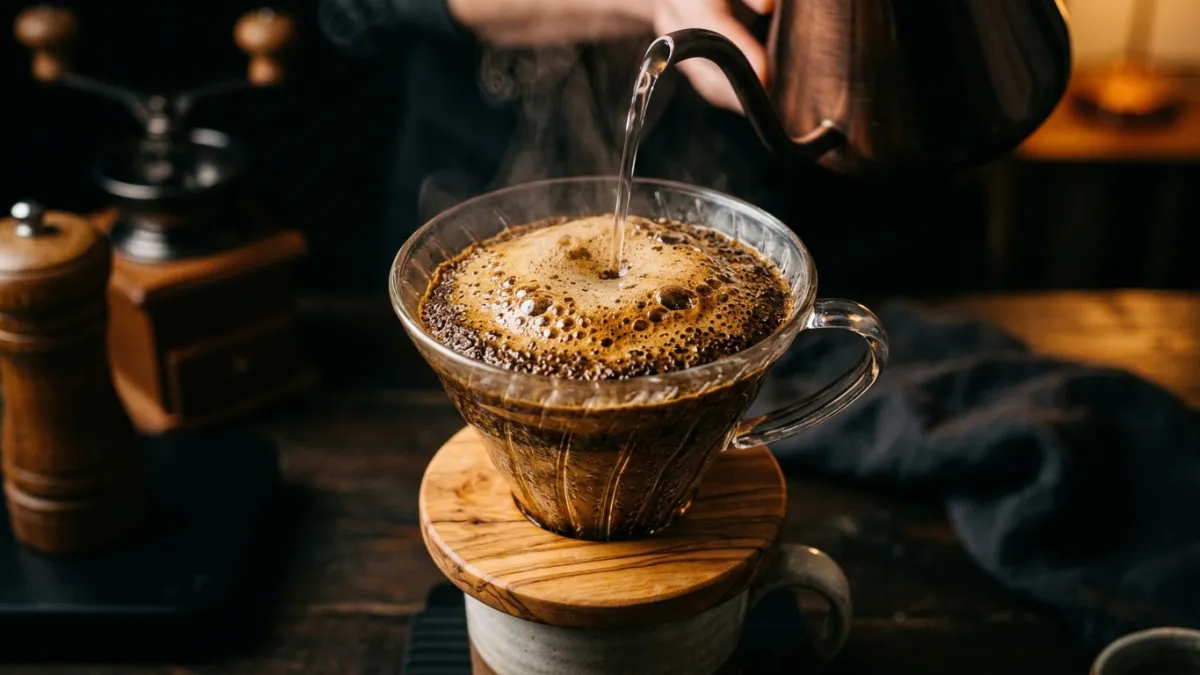
The coffee bloom is that magical moment when you pour hot water over freshly ground coffee, and it visibly expands, puffs up, and releases bubbles. This fascinating reaction isn't just for show; it's a crucial chemical process. Coffee beans, especially those recently roasted, contain a significant amount of carbon dioxide (CO2) trapped within their cellular structure. As the hot water hits the grounds, it rapidly pushes this trapped CO2 out, creating those beautiful bubbles and causing the coffee bed to rise.
Why does coffee bloom matter for my brew?
Blooming is far more than an aesthetic spectacle; it's fundamental for an even and delicious extraction. Here’s why:
- Even Extraction: When CO2 rapidly escapes, it can create channels and pockets in the coffee bed. If you don't allow it to escape first, subsequent pours of water will preferentially flow through these channels, bypassing other coffee grounds. This leads to an uneven extraction – some parts of your coffee will be over-extracted (bitter), and others under-extracted (sour or watery). Blooming allows the CO2 to escape uniformly, settling the grounds for a more consistent and even saturation.
- Enhanced Flavor: CO2, while necessary for preserving freshness, can impart a sour or metallic taste if not released. Blooming purges these undesirable gases, paving the way for the true, complex flavors of your coffee to shine through. It's like allowing a fine wine to breathe; it opens up the aroma and taste profile.
- Better Aroma: As the CO2 degasses, it also carries volatile aromatic compounds. This initial release contributes significantly to the delightful fragrance that fills your kitchen during brewing, signaling a fresh and flavorful cup to come.
Which brewing methods benefit most from blooming?
While blooming is beneficial for most immersion and pour-over methods, it's particularly critical for:
- Pour-Over (e.g., Hario V60, Chemex): Absolutely essential. The controlled, slow pour of water in these methods makes even extraction paramount. Blooming sets the stage for a smooth, uninterrupted flow.
- French Press: Highly recommended. Though an immersion method, blooming helps release gases and ensures all grounds are saturated before steeping, preventing dry clumps.
- AeroPress: Beneficial, especially for recipes that involve a brief initial pour. It helps ensure full saturation.
For espresso, the bloom is less of a distinct step because the high pressure and rapid extraction inherently push out gases. However, fresh espresso beans will still exhibit degassing, which is why a short pre-infusion phase on some espresso machines serves a similar purpose.
How do I properly bloom my coffee?
Mastering the bloom is simple:
- Grind Your Coffee: Use freshly roasted, freshly ground coffee for the best results.
- Prepare Your Brewer: Place your filter in your pour-over device or French press.
- Add Grounds: Add your desired amount of coffee grounds to the brewer.
- The Initial Pour (The Bloom): Gently pour just enough hot water (ideally 200-205°F / 93-96°C) to saturate all the coffee grounds. Aim for about twice the weight of your coffee in water (e.g., for 20g of coffee, use 40g of water). A gooseneck kettle offers precise control.
- Watch and Wait: Observe the coffee expand and bubble. This is your bloom!
- Rest: Let it sit undisturbed.
How long should I bloom my coffee?
The ideal bloom time typically ranges from 30 to 45 seconds. This window allows sufficient time for the majority of the CO2 to escape without cooling the coffee bed too much before your main brewing phase. For very fresh coffee (1-5 days off roast), you might extend it slightly to 45-60 seconds due to higher CO2 content. Older coffee might require less time, or even bloom less vigorously.
What if my coffee doesn't bloom much?
A lack of a vigorous bloom usually indicates one of two things:
- Old Coffee: The most common reason. As coffee ages, the CO2 naturally dissipates. If your beans are several weeks or months past their roast date, they'll have little gas left to release.
- Coarse Grind: While less common, an extremely coarse grind might allow gases to escape too easily without much visible bubbling.
While you can still brew less-fresh coffee, understand that the flavor profile may be flatter. For the best blooming and taste experience, always opt for freshly roasted beans from your local roaster or Coffee Brew Hub's recommended selections!
Can I bloom too much or too little?
- Blooming Too Little (e.g., skipping it): As discussed, this leads to uneven extraction and trapped CO2, resulting in a less flavorful, potentially bitter or sour cup.
- Blooming Too Much (e.g., over a minute): While not as detrimental as too little, letting the bloom go on for too long can cause the coffee bed to cool down too much. This means your subsequent pours will have to work harder to reheat the coffee, potentially affecting extraction efficiency and overall brew temperature stability. Stick to the 30-45 second sweet spot.
Is blooming really necessary, or just a trend?
Blooming is absolutely not just a trend; it's a scientifically validated step that significantly impacts the quality of your brew. It's a fundamental part of proper coffee extraction for most manual brewing methods. Think of it as setting the foundation for a well-built house – you wouldn't skip the foundation, and you shouldn't skip the bloom!
Understanding and executing the coffee bloom is a simple yet profound way to elevate your home brewing game. It ensures an even extraction, purifies the flavor, and enhances the aroma, bringing you closer to that perfect cup every time. Experiment with your bloom times and observe the difference – your taste buds will thank you!