Unlock Medium Roast Perfection: Your Guide to Balanced Coffee Flavor
Welcome, fellow coffee enthusiasts, to another deep dive from the Coffee Brew Hub! Today, we're shining a spotlight on a true workhorse of the coffee world: the medium roast. Often seen as the sweet spot between delicate light roasts and bold dark roasts, medium roasts offer a captivating balance of acidity, body, and complex flavors. But achieving that perfect cup isn't just about choosing the right beans; it's about understanding how to unlock their full potential. Let's explore the art and science of brewing medium roast coffee.
Why Medium Roast is Your Flavor Sweet Spot
medium roast coffees are typically roasted past the "first crack" but stop before the "second crack," allowing the bean's inherent characteristics to shine through while developing rich caramelized sugars. This results in a coffee that often boasts a delightful blend of nutty, chocolatey, fruity, or floral notes, a pleasant acidity, and a medium body. Unlike light roasts, which can sometimes be too bright for some palates, or dark roasts, which can overwhelm with smoky bitterness, medium roasts offer a harmonious, approachable, and incredibly versatile profile.
The Pillars of Perfect Medium Roast Brewing
Mastering any coffee brew comes down to a few critical factors, and medium roasts are no exception. Paying attention to these elements will dramatically elevate your cup.
1. Start with Exceptional, Fresh Beans
This cannot be overstated. Even the best brewing technique won't rescue stale beans. Always opt for freshly roasted beans (ideally roasted within 2-3 weeks). Look for a roast date, not just a "best by" date. Once opened, store your beans in an airtight container away from light, heat, and moisture. Grinding your beans just before brewing is also paramount for preserving those delicate aromatics and flavors.
2. Dial in Your Grind Size
Grind size is perhaps the most impactful variable. For medium roasts, you’re generally looking for a medium to medium-fine grind, resembling table salt or slightly finer. This allows for optimal extraction without over-extracting bitterness or under-extracting sourness.
- Too Fine: Leads to over-extraction, resulting in a bitter, astringent, and often muddy cup. The water struggles to pass through, increasing contact time.
- Too Coarse: Leads to under-extraction, resulting in a weak, sour, and watery cup. Water passes too quickly, not picking up enough flavor compounds.
Experiment slightly around the medium range based on your chosen brewing method and the specific bean. A burr grinder is essential for consistent particle size, which is key for even extraction.
3. Water Quality and Temperature are Crucial
Coffee is over 98% water, so its quality matters immensely. Use filtered water that is free from strong odors or tastes. As for temperature, the sweet spot for medium roasts is typically between 195°F and 205°F (90°C and 96°C). This range is hot enough to extract the desired flavors and aromas efficiently without scorching the grounds and introducing harsh notes.
- Water too hot: Can over-extract, leading to bitterness and flat flavors.
- Water too cold: Leads to under-extraction, resulting in a weak, sour, or underdeveloped cup.
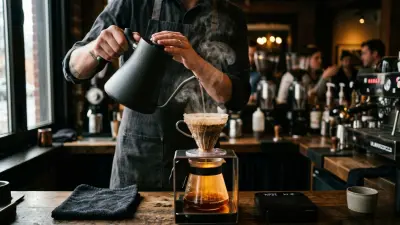
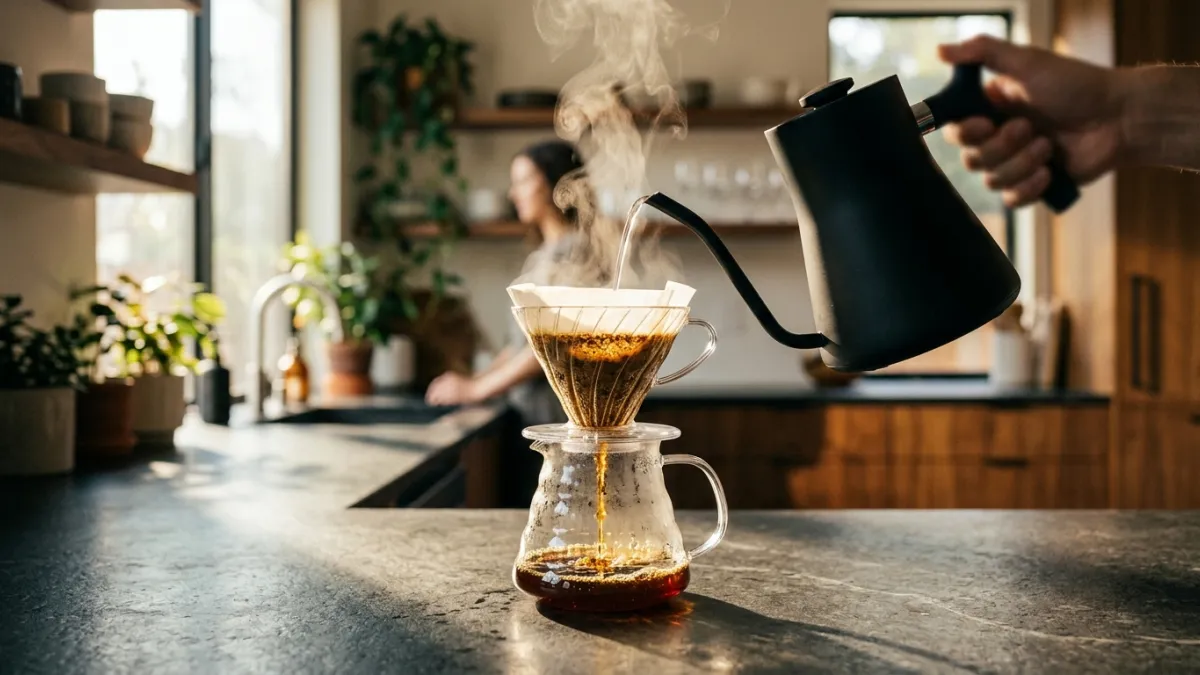
A gooseneck kettle with temperature control is a fantastic tool for precision.
4. Perfect Your Brew Ratio
The "golden ratio" for coffee brewing is a great starting point, typically ranging from 1:15 to 1:18 (coffee to water). This means for every 1 gram of coffee, you use 15 to 18 grams of water. For medium roasts, you might find yourself gravitating towards the middle of this range (e.g., 1:16 or 1:17) to best highlight their balanced profile.
Always use a digital scale to measure both your coffee grounds and water for consistency. This eliminates guesswork and ensures repeatable results.
Brewing Methods & Medium Roasts: A Synergy
Medium roasts are incredibly versatile and shine in almost any brewing method. Here are some tips for popular choices:
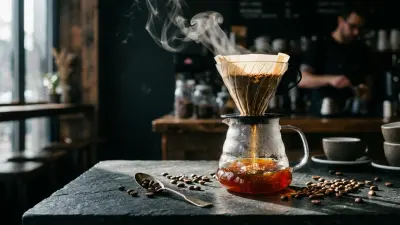
- Pour-Over (e.g., Hario V60, Chemex): Excellent for showcasing the clarity and nuanced flavors of medium roasts. Use a medium-fine grind, controlled pour, and aim for a total brew time of 2.5-4 minutes, depending on the brewer and batch size.
- French Press: If you love a full-bodied, rich cup, the French Press is ideal. A coarser grind (like coarse sea salt) and a 4-minute steep time will yield a robust, immersive experience.
- Aeropress: Known for its versatility, the Aeropress can produce anything from espresso-like shots to full-bodied mugs. A medium grind and a shorter steep time (1-2 minutes) often work well for medium roasts, allowing you to experiment with different recipes.
- Drip Coffee Maker: Even with an automatic machine, you can improve your medium roast. Ensure your machine is clean, use quality filtered water, and grind your beans fresh to a medium consistency. Look for machines with a "bloom" cycle or pre-infusion feature.
The Art of Tasting and Adjusting
The final step is the most enjoyable: tasting and refining. Pay attention to the flavors, body, and aftertaste. Is it too bitter? Your grind might be too fine, or water too hot. Too sour or weak? Your grind might be too coarse, or water too cold/brew time too short. Don't be afraid to make small, incremental changes to your grind size, water temperature, or brew ratio. Keep a brewing journal to track your experiments and discover what truly makes your medium roast sing.
Embrace the Medium Roast Journey
Medium roasts offer a delightful landscape of flavors waiting to be explored. By focusing on fresh beans, precise grind, optimal water, and careful technique, you can consistently brew a cup that's perfectly balanced and deeply satisfying. So, grab your favorite medium roast, dial in your settings, and turn your kitchen into the ultimate personal café experience. Happy brewing!