Decoding the Magic of Medium Roast Coffee
At coffee brew hub, we believe every coffee lover can transform their kitchen into a personal café. And few roasts offer the sheer versatility and delightful balance quite like a medium roast. It’s the sweet spot — not too bright and acidic, nor too dark and smoky. Instead, a well-brewed medium roast offers a harmonious symphony of flavors, from rich chocolate and caramel to delicate nuts and sometimes even a subtle fruitiness or floral note. But unlocking its full potential requires a thoughtful approach. Let’s dive into the tips that will elevate your medium roast experience.
Understanding Your Medium Roast
Before you brew, it’s essential to understand what you’re working with. A medium roast typically reaches an internal temperature of 400-428°F (204-220°C), often stopping shortly after the “first crack.” This development allows the beans’ inherent characteristics to shine through without being overshadowed by roast flavors. Expect a flavor profile that is:
- Balanced: Equal parts acidity and body.
- Aromatic: Complex and inviting, often with nutty, chocolatey, or caramel notes.
- Sweet: Natural sugars are caramelized, contributing to a pleasing sweetness.
- Versatile: Adapts beautifully to almost any brewing method.
The Pillars of Perfect Medium Roast Brewing
1. The Grind: Your Foundation for Flavor
Grind size is perhaps the most critical variable. For medium roasts, precision is key to extracting those nuanced flavors without bitterness or sourness. A general rule of thumb:
- Pour-Over/Drip: Medium-fine to medium. Resembles table salt.
- AeroPress: Fine to medium-fine, depending on immersion time.
- French Press: Coarse, like sea salt.
- Espresso: Very fine, like powdered sugar (but remember, espresso is a different beast entirely!).
Tip: If your coffee tastes sour or weak, your grind might be too coarse (under-extracted). If it’s bitter or astringent, it might be too fine (over-extracted). Adjust incrementally until you find the sweet spot for your specific beans and brewer.
2. Water Quality and Temperature: The Unsung Heroes
Never underestimate the power of good water. Filtered water is always best, free from off-flavors that can muddy your brew. As for temperature, medium roasts thrive in a narrower range than their darker counterparts.
- Optimal Temperature: 195-205°F (90-96°C).
Why it matters: Water that's too hot can scorch the delicate flavors, leading to bitterness. Too cool, and you risk under-extraction, resulting in a flat, sour taste. A good temperature-controlled kettle is a game-changer here.
3. The Golden Ratio: Coffee to Water
Consistency in your coffee-to-water ratio is paramount. While personal preference plays a role, a great starting point for most medium roasts is:
- Standard Ratio: 1:15 to 1:17 (e.g., 1 gram of coffee to 15-17 grams of water).
Practical Application: For a typical 12 oz (350ml) cup, you’d use approximately 22-23 grams of coffee. Always use a digital scale for accuracy — it makes a huge difference!
4. Brew Time: The Dance of Extraction
Each brewing method has an ideal extraction window. For medium roasts, hitting this window ensures you pull out all the good stuff without over or under-doing it.
- Pour-Over: 2:30 - 3:30 minutes (including bloom).
- AeroPress: 1:00 - 2:00 minutes (immersion).
- French Press: 4:00 - 5:00 minutes.
- Espresso: 25-30 seconds (for a 1:2 yield ratio).
Adjusting: If your coffee is too weak or sour, try extending the brew time slightly (or finer grind). If it’s bitter, shorten the time (or coarser grind).
Brewing Methods for Medium Roasts: A Quick Guide
Pour-Over (V60, Chemex, Kalita Wave)
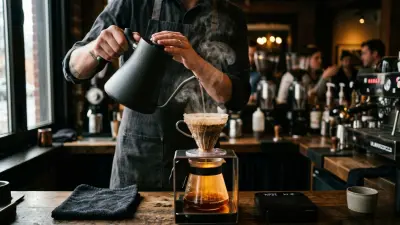
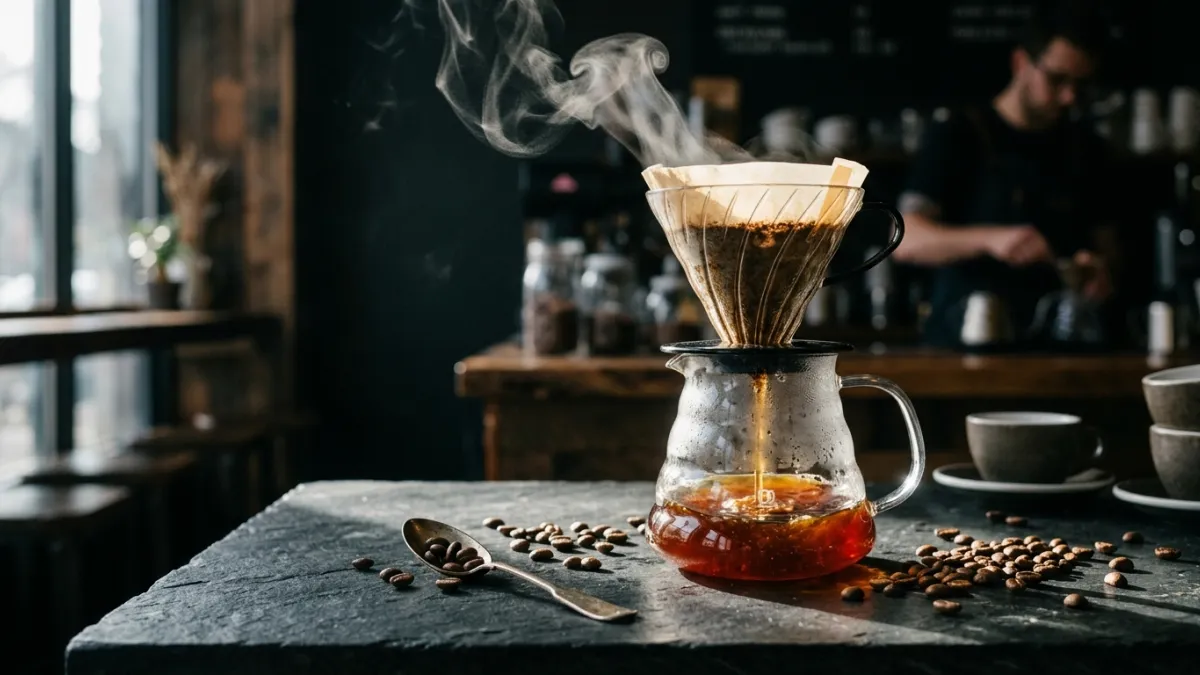
Medium roasts shine in pour-over methods, which highlight their clarity and nuanced flavors. Focus on an even, controlled pour, ensuring all grounds are saturated. A bloom phase of 30-45 seconds is crucial to allow gases to escape and prepare the grounds for optimal extraction.
French Press
For a full-bodied, rich experience, the French press is excellent. The longer immersion time and lack of paper filter allow more oils and fines into your cup, resulting in a heavier mouthfeel that complements the balance of a medium roast. Use a coarser grind to avoid excessive silt.
AeroPress
The AeroPress offers incredible versatility. Whether you prefer a quick immersion or an inverted method, medium roasts adapt well. Experiment with fine to medium-fine grinds and varying immersion times to find your preferred balance of body and clarity.
Espresso
Medium roasts are fantastic for espresso, often producing shots with beautiful crema, balanced acidity, and delightful sweetness. Dialing in the grind is paramount here, aiming for a shot that flows like warm honey, yielding rich notes of chocolate, caramel, and nuts.
Troubleshooting Your Medium Roast Brew
- Too Sour/Weak? Likely under-extracted. Try a finer grind, hotter water, longer brew time, or a higher coffee-to-water ratio.
- Too Bitter/Astringent? Likely over-extracted. Try a coarser grind, slightly cooler water, shorter brew time, or a lower coffee-to-water ratio.
- Flat/Muted Flavors? Your beans might be stale, or your water quality isn’t optimal. Always use freshly roasted beans and filtered water.
Embrace the Journey
Brewing medium roast coffee is an art and a science. It’s about understanding the variables and then trusting your palate. Don’t be afraid to experiment! Keep a brewing journal to note your grind settings, water temperature, ratios, and — most importantly — the taste. With these tips and a little patience, you’ll consistently unlock the full, balanced flavor potential of your favorite medium roast, turning every cup into a truly satisfying experience right in your own kitchen.