Colombian Coffee vs. Brazilian Coffee: A Flavorful Face-Off
For any passionate home barista or coffee enthusiast, understanding the nuances between major coffee-producing regions is key to mastering your brew. Two giants dominate the global coffee scene: Colombia and Brazil. While both offer exceptional beans, their unique characteristics lead to vastly different flavor profiles and brewing experiences. At Coffee Brew Hub, we're dedicated to helping you explore these distinctions and turn your kitchen into a personal café. Let's delve into an unbiased comparison of Colombian and Brazilian coffee.
The Terroir & Tradition: Setting the Stage
Colombian Coffee: Altitude and Acidity
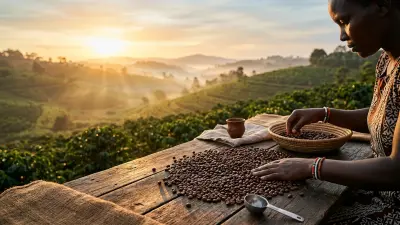
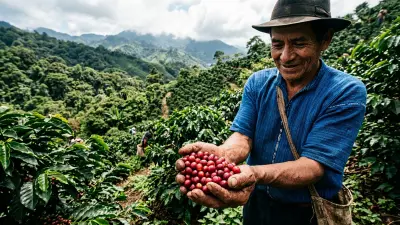
Colombia is renowned for its high-quality arabica beans, largely thanks to its ideal geographical conditions. The country's landscape, dominated by the Andes Mountains, provides high altitudes, volcanic soil, and consistent rainfall – perfect for coffee cultivation. Most Colombian coffee is "washed" processed, a method where the coffee cherry pulp is removed before drying. This meticulous process emphasizes the bean's inherent qualities, leading to a cleaner, brighter cup.
- Altitude: High (1,200 – 2,000 meters above sea level)
- Processing: Predominantly washed
- Key Regions: Huila, Antioquia, Narino, Cauca
Brazilian Coffee: Volume and Versatility
Brazil stands as the world's largest coffee producer, a testament to its vast, rolling plains and diverse microclimates. Unlike Colombia, much of Brazil's coffee is grown at lower altitudes. The prevalent processing methods include natural (dry) and pulped natural (semi-washed). Natural processing involves drying the entire coffee cherry, allowing the fruit's sugars to infuse the bean, contributing to a heavier body and sweeter notes. Pulped natural offers a middle ground, removing the skin but leaving some mucilage to dry.
- Altitude: Lower (200 – 1,200 meters above sea level)
- Processing: Predominantly natural or pulped natural
- Key Regions: Minas Gerais, São Paulo, Espírito Santo
Flavor Profile Showdown
The Colombian Palate
Colombian coffee is often celebrated for its bright acidity, medium body, and well-balanced flavor. You can expect a clean, crisp cup with a range of delightful notes:
- Acidity: Bright, citric (lemon, orange), or malic (apple)
- Sweetness: Caramel, brown sugar, honey
- Fruit Notes: Red berries, stone fruit (peach, apricot)
- Body: Medium, smooth, and pleasant
- Aftertaste: Clean and lingering
This complexity makes Colombian beans a favorite for those who appreciate a nuanced and vibrant cup.
The Brazilian Brew
Brazilian coffee, conversely, tends to offer a lower acidity, heavier body, and a distinctively nutty or chocolatey profile. Its approachable and comforting characteristics make it a staple for many:
- Acidity: Low, mellow
- Sweetness: Chocolate, caramel, nut butter
- Nutty/Earthy Notes: Almond, peanut, walnut, sometimes toasted bread
- Body: Full, creamy, often with a smooth mouthfeel
- Aftertaste: Smooth, persistent, often with chocolate or nut notes
Brazilian beans are known for their consistency and ability to form a superb base for blends.
Roasting Preferences: Unlocking Potential
Roasting Colombian Beans
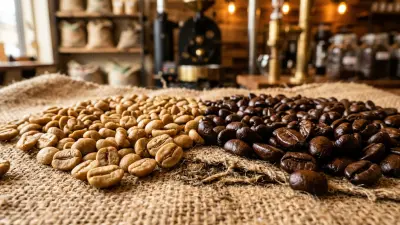
To highlight their inherent brightness and delicate complexities, Colombian beans are often best enjoyed at medium roasts. A medium roast allows the fruity acidity and sweet undertones to shine without being overshadowed by roasty bitterness. Darker roasts can sometimes mute the unique characteristics that make Colombian coffee so special, though some prefer a darker roast for a bolder, less acidic experience.
Roasting Brazilian Beans
Brazilian coffee is incredibly versatile when it comes to roasting. Due to its lower acidity and robust body, it performs exceptionally well at medium to dark roasts. Darker roasts enhance its inherent chocolatey and nutty notes, making it a popular choice for espresso blends where a rich crema and strong flavor are desired. Even at a medium roast, Brazilian beans maintain their full body and smooth character, making them excellent for drip or French Press.
Best Beans & Brewing Methods
Colombian Coffee: Ideal For
Given its vibrant acidity and balanced flavor, Colombian coffee truly shines in brewing methods that allow its complexities to come through.
- Pour Over: Emphasizes clarity and bright notes.
- AeroPress: Can highlight its sweetness and body with a quick extraction.
- French Press: Offers a full-bodied cup while preserving acidity.
- Drip Coffee: A solid choice for an everyday, balanced brew.
Look for beans from specific regions like Huila for prominent fruit and floral notes, or Narino for high acidity and a clean finish.
Brazilian Coffee: Ideal For
Brazilian coffee's low acidity, heavy body, and rich flavor make it a stellar choice for methods that benefit from a robust, full-bodied extraction.
- Espresso: Creates a fantastic crema and a bold, chocolatey shot.
- French Press: Delivers a rich, full-bodied, and comforting cup.
- Drip Coffee: Produces a smooth, approachable, and consistent brew.
- Moka Pot: Great for a strong, concentrated coffee with a creamy texture.
Seek out beans from Minas Gerais (especially Cerrado or Sul de Minas) for classic nutty and chocolatey profiles.
Making Your Choice: A Coffee Brew Hub Perspective
Ultimately, the "best" coffee comes down to personal preference. If you crave a bright, complex, and lively cup with noticeable acidity and fruity notes, Colombian coffee is likely to be your champion. It’s perfect for a morning pick-me-up that invigorates the senses.
If your palate leans towards a smooth, full-bodied, lower-acidity brew with comforting chocolatey and nutty undertones, Brazilian coffee will be your go-to. It's an ideal choice for a satisfying espresso or a rich, mellow drip coffee, often serving as the backbone of many beloved coffee blends.
We encourage you to experiment! Try both Colombian and Brazilian single-origin beans, roasted to different levels, and brewed with various methods. This hands-on exploration is the best way to understand their unique characters and discover which one resonates most with your taste buds. Your journey to mastering coffee brewing truly begins with understanding these fundamental differences.