Unveiling Indonesia's Coffee Tapestry: Sumatra, Java, and Sulawesi Compared
Indonesia, an archipelago nation spanning thousands of islands, is a treasure trove for coffee enthusiasts. Its unique climate, volcanic soil, and distinct processing methods have given birth to some of the world's most sought-after and recognizable coffee profiles. For us at coffee brew hub, understanding these origins is key to mastering your brew. While many islands contribute to Indonesia's coffee output, three stand out for their global recognition and distinct characteristics: Sumatra, Java, and Sulawesi. Let's embark on a journey to compare these coffee giants.
Sumatra: The Realm of Bold Earthiness
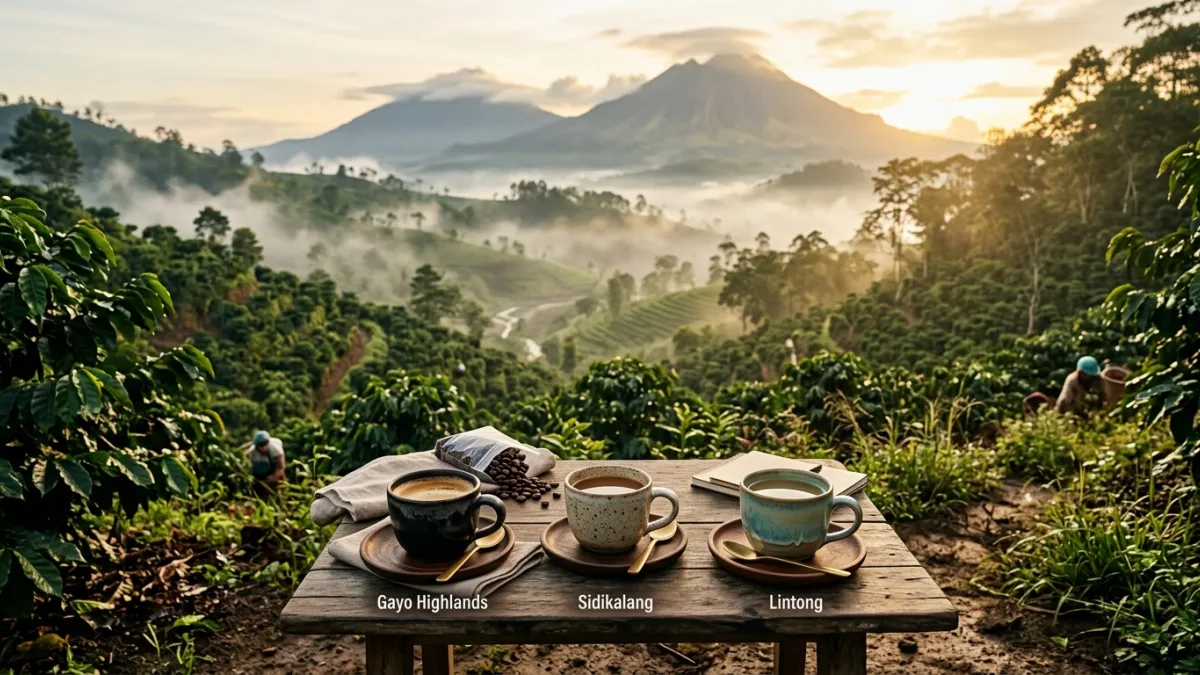
Sumatra, the largest island wholly within Indonesia, is synonymous with bold, full-bodied coffees. Regions like Mandheling, Lintong, and Gayo in Aceh are particularly famous.
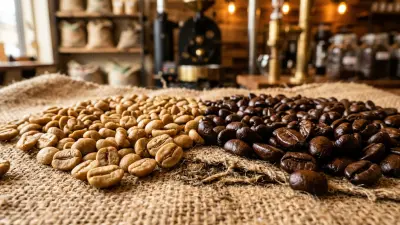
- Processing Method: The defining characteristic of Sumatran coffee is its unique Giling Basah (wet-hulled) processing. Unlike the fully washed method where parchment coffee is dried to 10-12% moisture before hulling, Giling Basah involves hulling the parchment when it still has a high moisture content (around 30-35%). This imparts a distinct character to the bean.
- Flavor Profile: Expect a heavy, syrupy body and very low acidity. The dominant notes are earthy, woody (cedar), dark chocolate, and tobacco. You might also find hints of spice, mushroom, or even a slight wild, funky quality that some describe as "dirty" but many find captivating and integral to its charm. It's a coffee that makes its presence known.
Java: The Historic, Clean Cup
Java holds a special place in coffee history, being one of the first places outside of Arabia and Ethiopia where coffee was widely cultivated. The name "Java" itself became a colloquial term for coffee thanks to the Dutch colonial influence.
- Processing Method: In contrast to Sumatra, Javanese coffees are predominantly fully washed (wet process). This method involves fermenting and washing the coffee cherries before drying, resulting in a much cleaner, brighter cup.
- Flavor Profile: Java coffees tend to have a medium body and brighter, more vibrant acidity than their Sumatran counterparts. Expect notes of clean chocolate, nuts, mild spices, and sometimes a delicate herbaceous quality. They often finish with a sweet, lingering aftertaste. Javas are generally more refined and less rustic than Sumatran beans.
Sulawesi (Toraja): The Balanced Elegance
Sulawesi, particularly the mountainous region of Toraja, is home to coffees known for their striking balance and unique character. Often marketed as Toraja Kalossi, these beans offer a compelling middle ground.
- Processing Method: While some Sulawesi coffees use a fully washed method, many utilize a variation of the Giling Basah (semi-washed) process, often with more care and consistency than typically found in Sumatra. This aims to retain some of the body and sweetness while achieving a cleaner cup than most Sumatran processing.
- Flavor Profile: Sulawesi coffees are celebrated for their full body, balanced acidity, and remarkable sweetness. You'll often discover rich notes of dark chocolate, caramel, and ripe, sometimes tropical, fruit. Compared to Sumatra, they are typically less earthy and offer a cleaner, more nuanced profile. They are often described as having a velvety texture.
Choosing Your Indonesian Adventure: A Comparative Summary
To help you navigate these wonderful Indonesian offerings, here's a quick comparison:
- Body: Sumatra (Heavy, Syrupy) > Sulawesi (Full, Velvety) > Java (Medium)
- Acidity: Java (Bright, Lively) > Sulawesi (Balanced, Moderate) > Sumatra (Very Low)
- Earthiness/Cleanliness: Sumatra excels in profound earthiness. Java is the cleanest and brightest. Sulawesi offers a cleaner profile than Sumatra, with a delightful balance of richness and sweetness.
- Dominant Notes:
- Sumatra: Earth, cedar, dark chocolate, tobacco, spice, sometimes wild.
- Java: Clean chocolate, nuts, mild spice, herbaceous, sweet finish.
- Sulawesi: Dark chocolate, caramel, ripe fruit, balanced sweetness.
Conclusion: Your Next Brew Awaits
Indonesia's coffee diversity is a testament to its rich geography and cultural practices. Whether you crave the unapologetic boldness of a Sumatran Mandheling, the clean, classic elegance of a Javanese Estate, or the balanced complexity of a Sulawesi Toraja, there's an Indonesian origin waiting to transform your kitchen into a personal café. We encourage you to try them all, experiment with different brewing methods, and discover which unique island profile truly speaks to your palate. Happy brewing from coffee brew hub!