Reusable vs Paper Coffee Filters: Which Brews Your Best Cup?
Every dedicated home barista knows that mastering coffee brewing goes beyond just beans and water temperature. The humble coffee filter plays a surprisingly significant role in the final cup, influencing everything from clarity to body. At coffee brew hub, we often get asked: should I use reusable or paper coffee filters? It's a question with no single right answer, as both options offer distinct advantages and disadvantages.
In this detailed comparison, we'll delve into the nuances of taste, unravel the economics of cost, and examine the environmental footprint of each filter type. By the end, you'll be equipped to make an informed decision that aligns with your palate, wallet, and values.
The Taste Profile: Clarity vs. Body
The filter's material and pore size directly impact what makes it into your cup, profoundly altering the coffee's flavor and mouthfeel.
Paper Filters
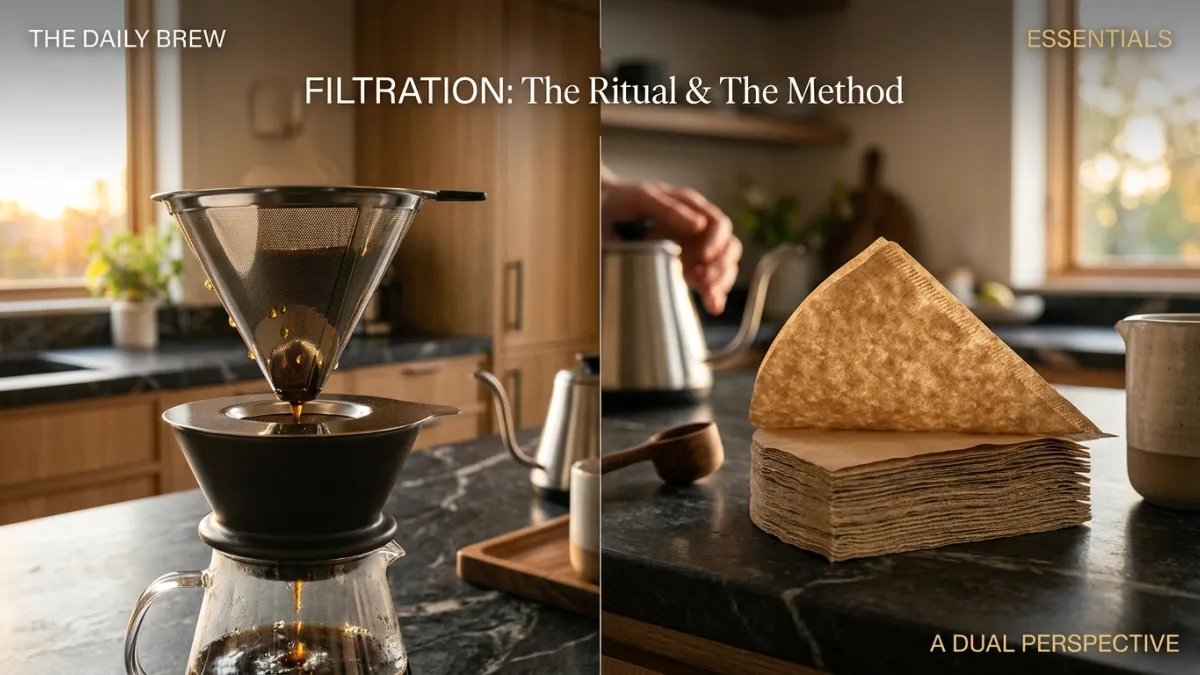
- Clean and Bright: paper filters are renowned for their ability to trap fine sediment and, crucially, coffee oils (diterpenes). This results in a very clean cup with a bright acidity and a lighter body. The absence of oils can make the nuanced flavors of lighter roasts truly shine.
- Sediment-Free: You won't find any coffee "silt" at the bottom of your mug.
- Potential for Paper Taste: Some unbleached paper filters, if not rinsed thoroughly before brewing, can impart a subtle papery taste to your coffee. Always pre-wet your paper filter with hot water!
Reusable Filters (Metal & Cloth)
reusable filters generally come in two main categories, each offering a unique sensory experience:
- Metal Filters (e.g., gold-tone, stainless steel mesh): These filters have larger pores than paper, allowing more coffee oils and fine particulates to pass through. The result is a fuller-bodied, richer cup with a more pronounced mouthfeel and often a visible "crema" (the reddish-brown foam on top). Flavors tend to be more intense, but the cup can also have more sediment.
- Cloth Filters (e.g., cotton, hemp): Offering a middle ground, cloth filters block most sediment while still allowing some oils to pass, leading to a clean cup with a pleasant body. They can deliver a very smooth, well-rounded flavor profile. However, they require meticulous cleaning to prevent oil buildup and rancidity, which can quickly turn your coffee sour.
Cost Analysis: Upfront vs. Ongoing
When evaluating cost, it's essential to look beyond the initial purchase price and consider the long-term investment.
Paper Filters
- Low Initial Cost: A pack of 100 paper filters typically costs just a few dollars, making the barrier to entry very low.
- Recurring Expense: This is their main drawback financially. If you brew daily, you'll go through several packs a year. Over time, these small purchases add up significantly. For example, at $5 per 100 filters, brewing once a day costs around $18 a year, which quickly surpasses the cost of a reusable filter.
Reusable Filters
- Higher Initial Investment: A good quality metal or cloth filter can range from $10 to $30 or more.
- Virtually No Recurring Cost: Once purchased, a durable reusable filter can last for years, if not a lifetime (especially metal). Cloth filters may need replacing every few months to a year, depending on use and care, but still represent a significant saving over paper.
- Long-Term Savings: The payback period for a reusable filter is often just a few months, making it the more economical choice in the long run.
Sustainability and Environmental Impact
For the environmentally conscious barista, the choice between reusable and paper filters involves weighing different ecological considerations.
Paper Filters
- Waste Generation: The most obvious impact is the constant production of single-use waste. Even if composted, this requires infrastructure and energy.
- Resource Consumption: Paper production requires trees, water, and energy. While many filters are made from sustainably managed forests, the overall resource footprint can be substantial.
- Bleaching: Traditionally, paper filters were bleached with chlorine, a process with environmental concerns. Today, most bleached filters use oxygen-based processes (like ECF or TCF), which are much more eco-friendly. Unbleached filters, while avoiding chemicals, might impart more flavor.
Reusable Filters
- Reduced Waste: This is their primary environmental advantage. Eliminating daily filter waste significantly lowers your carbon footprint over time.
- Resource-Intensive Production (Initial): The manufacturing of metal filters, for instance, involves mining and processing, which are energy and resource-intensive. However, their long lifespan amortizes this impact.
- Cleaning Impact: Washing reusable filters requires water and potentially detergent, which carries its own minor environmental cost. Air drying helps reduce energy consumption.
Convenience and Maintenance
Beyond taste, cost, and sustainability, the practicalities of daily brewing are a significant factor.
Paper Filters
- Ultimate Convenience: Simply dispose of the filter and grounds after brewing. No cleaning required beyond rinsing your brewing device.
Reusable Filters
- Durability: Metal filters are very durable, while cloth filters are more delicate and require careful handling and occasional boiling to sanitize.
Which Filter is Right for Your Personal Café?
The choice between reusable and paper filters ultimately comes down to your priorities:
- If you prioritize a clean, bright, sediment-free cup and value maximum convenience, paper filters might be your preferred choice. Be sure to pre-wet them and consider composting.
- If you crave a fuller-bodied, richer cup, are keen on long-term cost savings, and are committed to reducing waste, a reusable filter is likely for you. Decide between metal for maximum body or cloth for a smoother, clean-yet-rich experience.
Many home baristas even keep both types on hand, choosing their filter based on the particular coffee bean they're brewing or their mood that day. There's no single "best" filter, only the one that best suits your personal brewing philosophy.