Master the Pour Over Bloom: Unlock Richer Coffee Flavor
In the quest for the perfect cup of pour over coffee, many enthusiasts focus on grind size, water temperature, and pour patterns. While these are undoubtedly vital, there's one often-overlooked yet profoundly impactful step that can elevate your brew from good to extraordinary: the bloom.
At coffee brew hub, we believe in empowering you to master every facet of coffee making. Today, we're diving deep into the art and science of the pour over bloom, explaining why it matters and providing practical tips to ensure you get it right every time.
What Exactly is the Pour Over Bloom?
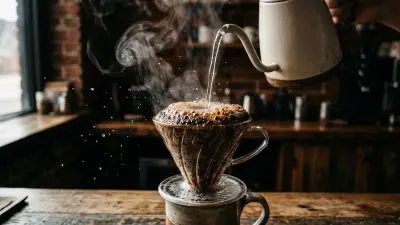
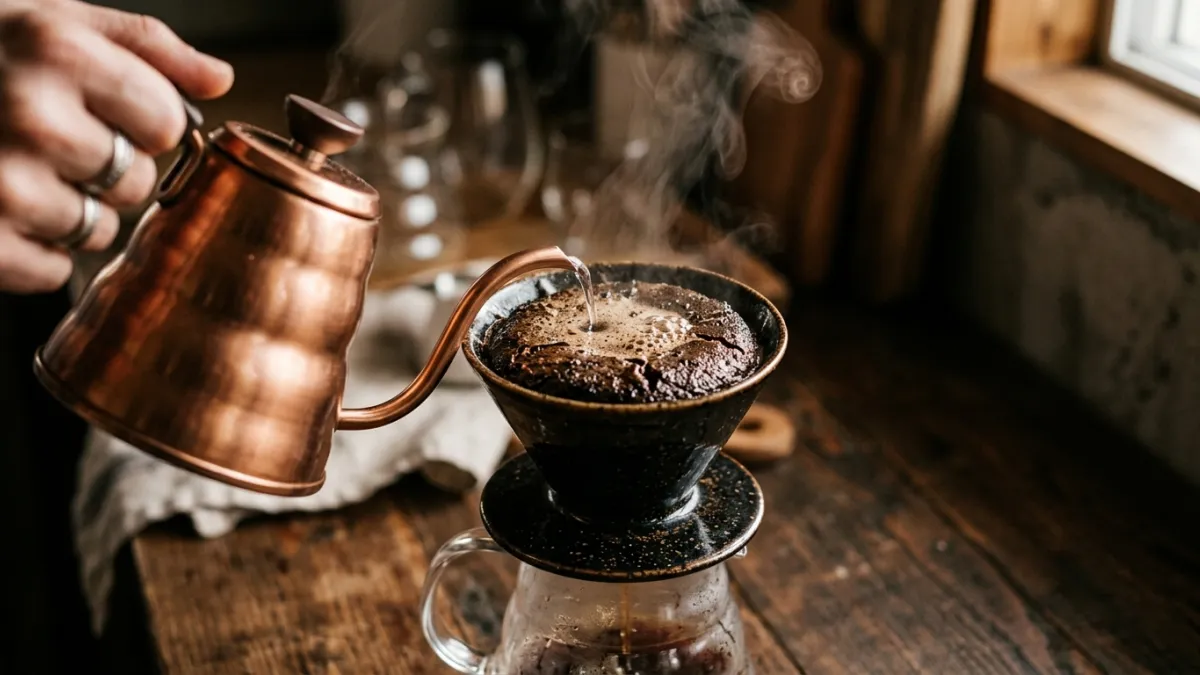
The bloom is the initial pour of hot water over your freshly ground coffee, just enough to saturate all the grounds. What happens next is a beautiful, almost magical, sight: the coffee grounds expand, bubble, and rise, resembling a small, dark muffin top. This phenomenon is caused by the release of carbon dioxide (CO2) trapped within the coffee.
Freshly roasted coffee contains a significant amount of CO2, a natural byproduct of the roasting process. When hot water hits the grounds, it rapidly accelerates the release of this gas. This expulsion of CO2 is known as degassing.
Why Does the Bloom Matter So Much?
Understanding the "why" behind the bloom is key to appreciating its importance:
- Even Saturation & Extraction: If you were to immediately pour all your brewing water over grounds full of CO2, the gas would repel the water, creating dry pockets and leading to uneven extraction. The bloom allows the CO2 to escape, ensuring that subsequent pours can fully and evenly saturate all the coffee particles. This is crucial for a balanced flavor profile.
- Unlocking Full Flavor Potential: CO2, while natural, can impart sour or harsh flavors if not properly degassed. By allowing the gas to escape during the bloom, you clear the way for the water to dissolve and extract the desirable aromatic compounds and soluble solids, resulting in a cleaner, sweeter, and more nuanced cup.
- Improved Brew Consistency: A consistent bloom leads to consistent extraction. Once you master this step, you'll find your pour over brews are more predictable and reliably delicious.
How to Master the Pour Over Bloom: A Step-by-Step Guide
Achieving a perfect bloom isn't complicated, but it does require attention to detail. Here's how to do it:
1. Gather Your Essentials:
- Freshly Roasted Coffee: Ideally, coffee roasted within 1-2 weeks.
- Burr Grinder: For a consistent medium-fine grind.
- gooseneck kettle: For precise water control.
- Digital Scale & Timer: Essential for accuracy.
- pour over Dripper & Server: Pre-heat your server and rinse your filter.
2. The Blooming Process:
- Heat Your Water: Aim for 195-205°F (90-96°C).
- Add Your Grounds: Place your freshly ground coffee into the pre-rinsed filter in your dripper. Gently shake to level the bed.
- Initiate the Bloom Pour: Start your timer. Carefully pour about 2-3 times the weight of your coffee in water over the grounds. For example, if you're brewing with 20g of coffee, pour 40-60g of water. Pour slowly and evenly in a spiral motion, ensuring all grounds are saturated. Avoid pouring down the sides of the filter.
- Observe and Wait: Let the coffee bloom for 30-45 seconds. You'll see the grounds swell and bubble as CO2 escapes. The fresher the coffee, the more vigorous the bloom will be.
- Continue Brewing: Once the bloom period is complete, proceed with your main pour, following your preferred pour over method.
Tips for a Perfect Bloom Every Time:
- Don't Rush It: The 30-45 second window is crucial. Resist the urge to pour sooner.
- Use Fresh Coffee: The bloom is most dramatic and effective with freshly roasted coffee. Stale coffee will exhibit a weak or non-existent bloom.
- Grind Consistency: An even grind ensures uniform water saturation during the bloom. Too fine, and water may struggle to penetrate; too coarse, and it might pass through too quickly.
- Water-to-Coffee Ratio: Sticking to the 2-3x coffee weight for your bloom pour is a good starting point. Adjust slightly based on observation. If the bloom looks dry in spots, use a little more water next time.
- Gentle Pour: A slow, controlled pour from your gooseneck kettle ensures even saturation without disturbing the coffee bed too much.
What if My Coffee Doesn't Bloom?
If your coffee doesn't bloom much, or at all, it's usually an indicator of stale coffee. The CO2 has already escaped over time. While you can still brew it, expect a less vibrant and potentially less balanced flavor profile. It's a great reminder to check your roast date and aim for coffee roasted within two weeks for optimal results.
Elevate Your Everyday Brew
The pour over bloom might seem like a small step, but its impact on the final cup is immense. By understanding its purpose and refining your technique, you're not just making coffee; you're crafting an experience. At Coffee Brew Hub, we encourage you to experiment, observe, and savor the journey of becoming a true home barista. Happy brewing!