Unlock Peak Flavor: Why Coffee Storage Matters
As passionate home baristas, we know that brewing the perfect cup is an art. But even the finest beans and most precise techniques can fall flat if your coffee isn't stored correctly. Coffee is a perishable agricultural product, and its delicate flavors and aromas are constantly under attack. Protecting your beans from their natural enemies is the first crucial step to ensuring every brew lives up to its potential.
At coffee brew hub, we believe in empowering you to master every aspect of coffee brewing. And that starts with understanding how to keep your precious beans at their absolute best. Let's dive into what makes coffee go stale and, more importantly, the best ways to combat it.
The Four Horsemen of Coffee Staling: Light, Air, Moisture, Heat
- Oxygen (Air): This is coffee's primary enemy. Exposure to air causes oxidation, breaking down the aromatic compounds that give coffee its rich flavor and aroma, leading to a flat, stale taste.
- Moisture: Coffee is hygroscopic, meaning it readily absorbs moisture. Excess moisture can degrade bean quality, promote mold growth, and accelerate staling.
- Light: UV rays from sunlight can rapidly degrade coffee's delicate oils and flavors, leading to a "skunky" taste.
- Heat: High temperatures speed up the oxidation process and can cause coffee oils to become rancid.
What to Look For in a Coffee Storage Container
A great coffee storage container acts as a fortress against these enemies. Here’s what truly matters:
The Airtight Seal: Your First Line of Defense
This is non-negotiable. The container must create an impenetrable barrier against oxygen. Look for:
- Silicone Gaskets: High-quality silicone seals around the lid are essential.
- Clamping Mechanisms: Many containers use sturdy clamps to press the lid firmly onto the seal.
- Vacuum Seals: The ultimate defense. These containers actively remove air from the chamber, dramatically slowing oxidation.
Opaque Material: Shielding from Light
Transparent containers might look sleek, but they're detrimental to coffee freshness. Always opt for materials that block light:
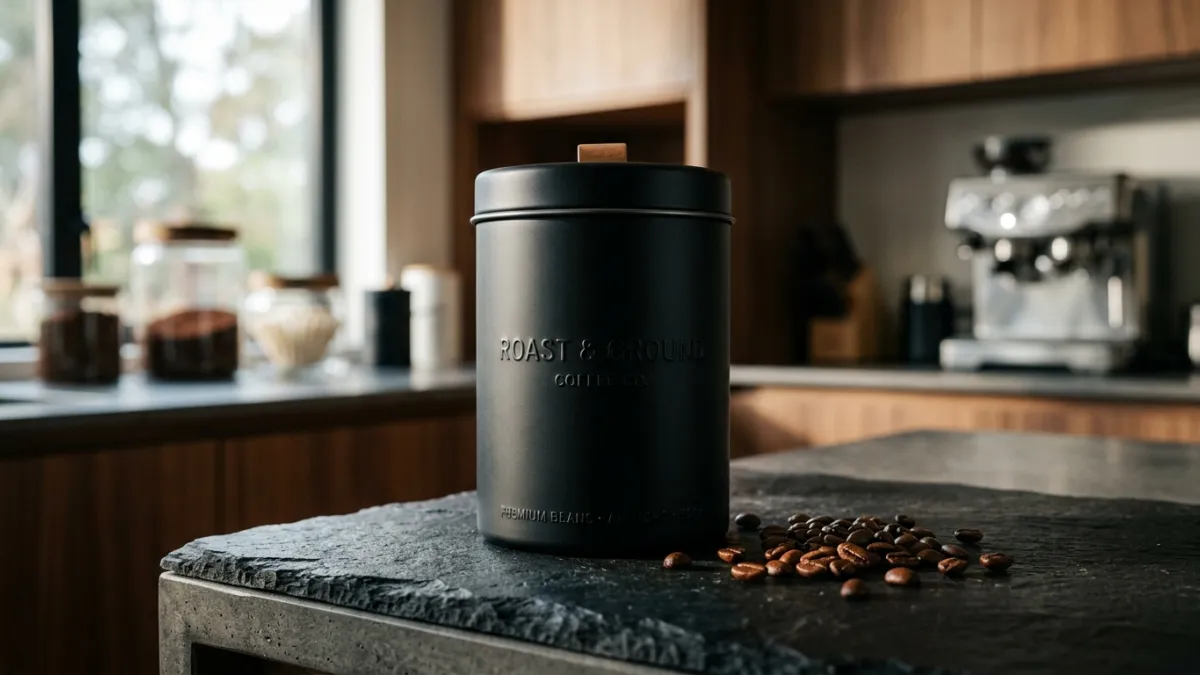
- Stainless Steel: Durable, non-reactive, and completely opaque. Often insulated.
- Ceramic: Heavy, elegant, and excellent at blocking light and maintaining a stable temperature.
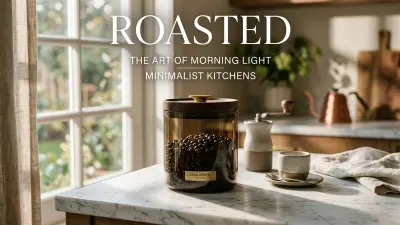
- Tinted Glass: While better than clear, heavily tinted glass is still second to opaque materials. If you must use glass, ensure it's stored in a dark cupboard.
Material Quality: Safe and Non-Reactive
Ensure the container material won't impart any unwanted flavors to your coffee:
- Food-Grade Stainless Steel: (e.g., 18/8 or 304) is ideal.
- BPA-Free Plastics: If choosing plastic, verify it's food-safe and free of harmful chemicals.
- High-Quality Ceramic or Glass: These are naturally inert.
Size and Capacity: Match Your Consumption
Choose a container that fits the amount of coffee you typically buy and consume within 1-2 weeks. A container that's too large will have more empty space for air, even with an airtight seal. Smaller, regularly refilled containers are often better.
Ease of Use and Cleaning
A container that's difficult to open, close, or clean won't be used consistently. Look for wide openings for easy scooping and components that are simple to disassemble and wash.
Our Top Picks: Best Coffee Storage Containers
After extensive testing and research, here are our top recommendations for containers that truly deliver on their promise of freshness:
1. Fellow Atmos Vacuum Canister
- Why We Love It: The Atmos is a game-changer for active vacuum storage. Simply twist the lid until the air is sucked out, indicated by a green ring. It truly creates a vacuum, preserving freshness for weeks. It’s also beautifully designed in matte black, white, or clear glass options (though we recommend opaque for coffee).
- Pros: Excellent vacuum seal, elegant design, durable stainless steel options, easy to use.
- Cons: Pricier than standard containers, vacuum mechanism can sometimes require a firm twist.
2. Airscape Coffee Canister by Planetary Design
- Why We Love It: The Airscape uses an inner lid that you push down, forcing air out through a one-way valve. This simple yet ingenious design is highly effective at minimizing air exposure without needing a pump or batteries. Available in various sizes and finishes.
- Pros: Highly effective air removal, durable stainless steel (or ceramic) construction, wide mouth for easy access.
- Cons: Not a true vacuum, so a tiny bit of air remains, plunger mechanism takes a little getting used to.
3. Friis Coffee Vault
- Why We Love It: The Friis Vault focuses on freshness by including a one-way CO2 release valve in its lid. This allows naturally degassing CO2 from roasted coffee to escape without letting oxygen in. It's an excellent choice for freshly roasted beans.
- Pros: One-way valve for degassing, durable stainless steel, comes with a measuring scoop.
- Cons: Valves need to be replaced periodically (every 2 months), not a true vacuum seal.
4. BeanSafe Coffee Storage Container
- Why We Love It: This is a robust, no-frills stainless steel container with a strong clip-top lid and a silicone gasket. It’s a fantastic, reliable option if you want excellent airtightness without the added complexity or cost of vacuum systems.
- Pros: Extremely durable, completely opaque, excellent airtight seal, good value.
- Cons: No vacuum or degassing features, can be a bit bulky.
5. OXO Good Grips POP Container (Steel Lid)
- Why We Love It: While often associated with pantry staples, the OXO POP containers with the steel lid option provide a surprisingly effective airtight seal with a simple push-button mechanism. They are particularly useful for those who store smaller quantities or want a versatile option.
- Pros: Easy one-touch airtight seal, modular and stackable, clear body (choose opaque for coffee or store in a dark cabinet).
- Cons: Clear body (requires dark storage), not specifically designed for coffee degassing/vacuum.
Beyond the Container: Best Practices for Coffee Storage
Even the best container won't work miracles if you don't follow these additional tips:
- Buy Whole Beans: Grind right before brewing. Ground coffee loses freshness exponentially faster.
- Buy Smaller Quantities: Only purchase what you can reasonably consume within 1-2 weeks of the roast date.
- Avoid the Fridge/Freezer (Mostly): The fridge exposes coffee to moisture and odors. The freezer can be okay for large quantities for long-term storage (months), but only if stored in truly airtight, vacuum-sealed bags and only thawed once. For daily use, keep beans at room temperature.
- Store in a Cool, Dark Place: Even with an opaque container, storing it away from direct sunlight, ovens, or other heat sources is crucial.
The Freshness Frontier
Investing in a quality coffee storage container is a small step that yields huge returns in the quality of your daily brew. By protecting your beans from their enemies, you ensure that every cup you make in your personal café is as vibrant, aromatic, and delicious as the roaster intended. Happy brewing!