Unlock Peak Freshness: The Essential Guide to Coffee Storage Containers
As passionate home baristas at coffee brew hub, we know that brewing exceptional coffee starts long before the water hits the grounds. It begins with the quality of your beans and, just as crucially, how you store them. The journey from roasted bean to your morning cup is delicate, and improper storage can quickly strip away those precious aromas and flavors you paid good money for.
Think of it this way: coffee beans are like tiny, porous sponges, eager to absorb whatever's around them, while simultaneously releasing their aromatic compounds. They have four main enemies: oxygen, moisture, light, and heat. A great coffee storage container acts as a fortress against these invaders, preserving your coffee's integrity and ensuring every brew is as vibrant as the roaster intended.
What to Look For in a Great Coffee Storage Container
Before diving into specific recommendations, let's arm you with the knowledge to identify a truly effective coffee storage solution. Not all containers are created equal!
- Airtight Seal: This is non-negotiable. The primary goal is to minimize oxygen exposure. Look for containers with strong silicone gaskets or rubber seals that create a vacuum or a tight, impenetrable barrier. Snap-lock lids, clamp mechanisms, or screw-on lids with seals are good indicators.
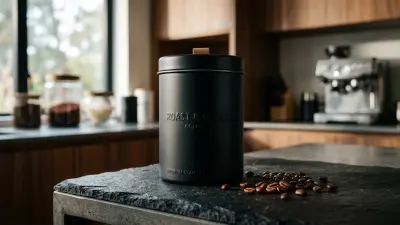
- Opaque Material: Light degradation is real. Clear glass or plastic containers might look pretty, but they expose your beans to harmful UV rays. Opt for opaque materials like stainless steel, ceramic, or dark, non-reactive plastic.
- One-Way CO2 Valve (for whole beans): Freshly roasted coffee degasses, meaning it releases carbon dioxide. While this is a good thing (it indicates freshness), if trapped, it can lead to stale-tasting coffee. A one-way valve allows CO2 to escape without letting oxygen in, making it ideal for whole beans.
- Durability and Ease of Cleaning: Your container should be robust enough to withstand daily use and easy to clean without retaining coffee odors. Stainless steel and ceramic often excel here.
- Appropriate Size: Buy a container that matches your typical coffee purchase volume and consumption rate. Storing a small amount of coffee in a very large container leaves too much air space, even with a good seal.
Our Top Picks & Reviews for Coffee Storage
Based on extensive testing and community feedback, here are some categories and specific types of containers that truly stand out in the quest for freshness:
Vacuum-Sealed Canisters: The Freshness Champions
These containers take airtightness to the next level by actively removing air. They're often considered the gold standard for preserving whole beans.
- Fellow Atmos Vacuum Canister:
- Pros: Sleek design, easy-to-use twist mechanism to remove air, strong vacuum seal, opaque stainless steel or dark glass options. No need for pumps, just twist the lid. Excellent for whole beans.
- Cons: Can be pricier, the vacuum mechanism might wear down over many years (though Fellow offers good support).
- Verdict: A premium choice for serious coffee enthusiasts who want maximum freshness.
- Airscape Coffee Canister:
- Pros: Features a patented inner lid that pushes air out and locks it away, plus an outer lid for extra security. Very effective at keeping air away from the beans. Available in various sizes and materials (stainless steel, ceramic).
- Cons: Requires manually pressing the inner lid down, which can feel a bit fiddly for some.
- Verdict: A highly effective and popular option, especially for those who appreciate a hands-on approach to freshness.
Airtight Canisters with One-Way Valves: The Classic & Reliable
These are excellent for whole beans, allowing degassing without oxygen ingress.
- Coffee Gator Coffee Canister:
- Pros: Typically stainless steel and opaque, comes with a one-way CO2 valve and a tight seal. Often includes a date tracker on the lid to remind you when you bought/roasted your beans. Good value.
- Cons: The valve itself might need occasional replacement (though usually included).
- Verdict: A solid, dependable choice that offers great bang for your buck, especially for those who appreciate the date tracker.
Opaque Ceramic/Stainless Steel Canisters (No Valve): Good for Ground Coffee or Shorter-Term Whole Bean Storage
If you grind your beans daily or go through them quickly, a simple, well-sealed opaque container works wonders.
- Ceramic Canisters with Clamp Lids:
- Pros: Aesthetically pleasing, excellent at blocking light, heavy and stable. Clamp lids with silicone seals create a strong airtight barrier.
- Cons: Can be fragile, heavier than other options, usually no one-way valve.
- Verdict: A beautiful and effective option for short-term whole bean storage or daily-use ground coffee, especially if aesthetics are important.
Beyond the Container: Best Storage Practices
Even the best container won't save coffee stored improperly. Remember these tips:
- Whole Beans Are Best: Grind only what you need, just before brewing. Ground coffee degrades significantly faster.
- Cool, Dark Place: Store your container in a pantry or cupboard, away from direct sunlight, ovens, or any heat sources.
- No Freezer (Generally): While some advocate for freezing unroasted or unopened bags for long-term storage, daily freezing and thawing cycles introduce moisture and freezer burn, which is detrimental to flavor. Stick to room temperature.
The Coffee Brew Hub Takeaway
Investing in a quality coffee storage container is one of the simplest yet most impactful ways to elevate your home brewing experience. By protecting your beans from their enemies, you ensure that every cup delivers the rich, nuanced flavors you love. Choose a container that fits your brewing habits and budget, and you'll taste the difference from the very first sip. Happy brewing!