Unlock the Secret to Silky Smooth Microfoam for Latte Art
Ever gazed longingly at a barista's perfectly poured latte art, wondering how they get that glossy, velvety milk? The secret lies in mastering microfoam – tiny, uniform bubbles that create a smooth, paintable texture. While it might seem daunting, achieving perfect microfoam at home is totally within reach with a bit of knowledge and practice. Think of me as your personal barista friend, ready to guide you step-by-step.
Why Microfoam Matters: Beyond Just Bubbles
microfoam isn't just about aesthetics; it profoundly impacts the taste and texture of your espresso drink. Unlike dry, airy foam that sits atop your coffee, microfoam integrates seamlessly with the espresso, creating a naturally sweeter, richer, and more luxurious mouthfeel. It's the foundation for any great latte or cappuccino, and, of course, for pouring beautiful latte art!
Essential Equipment for Your Steaming Journey
Before we dive into the technique, let's ensure you have the right tools:
- Espresso Machine with a Steam Wand: This is non-negotiable!
- Stainless Steel milk pitcher: Choose one appropriate for your serving size. A 12 oz (350ml) pitcher is great for single lattes, while a 20 oz (600ml) is better for larger drinks or two smaller ones. Brands like Rhinowares or Motta are popular for their durable, well-designed pitchers.
- Fresh, Cold Milk: The colder the better, as it gives you more time to work with.
- Clean Cloth: Essential for immediately wiping your steam wand.
- Thermometer (Optional but Recommended): A clip-on thermometer helps ensure you hit the perfect temperature every time.
Choosing Your Milk: Dairy vs. Non-Dairy
While any milk can be frothed, not all are created equal for microfoam:
- Whole Milk: The champion for beginners. Its fat content creates a stable, creamy microfoam that’s easy to work with.
- Skim Milk/Low-Fat Milk: Froths easily but produces a lighter, less stable foam that dissipates quickly.
- Plant-Based Milks: Many excellent barista-blend oat or almond milks are designed specifically for steaming. Look for brands like Oatly Barista Edition or Minor Figures Oat M*lk, which have the right fat and protein content for stable microfoam. Be aware that non-dairy milks often steam faster and can curdle if overheated.
Always start with milk straight from the refrigerator.
Your Step-by-Step Guide to Perfect Microfoam
Let's get that steam wand singing!
-
Prepare Your Pitcher and Milk:
- Fill your cold milk pitcher with fresh, cold milk. For a single latte, aim for just below the bottom of the spout. Don't overfill, as the milk will expand.
-
Purge the Steam Wand:
- Before introducing the wand to the milk, open the steam valve for a second or two. This expels any condensed water, ensuring you only add pure, dry steam to your milk.
-
Position the Wand (The "Stretching" Phase – Introducing Air):
- Submerge just the tip of the steam wand slightly below the surface of the milk, towards one side of the pitcher. The wand should be at an angle, around the "3 o'clock" or "9 o'clock" position.
- Open the steam valve fully and immediately lower the pitcher slightly until you hear a gentle "tearing paper" or "sucking" sound. This is you introducing air into the milk. This is the crucial "stretching" phase, creating the initial foam.
- Focus on creating small, consistent air bubbles. You only need to do this for a few seconds – think 3-5 seconds for dairy, possibly less for non-dairy. The milk will start to expand slightly.
-
Position the Wand (The "Texturing" Phase – Incorporating Air):
- Once you've introduced enough air (the milk volume should have increased by about 10-20%), lift the pitcher slightly to submerge the steam wand deeper into the milk.
- Keep the wand angled, creating a gentle vortex or "whirlpool" effect. This motion incorporates the air you've just added throughout the milk, breaking down large bubbles into microfoam and heating the milk evenly. This is the "texturing" or "rolling" phase.
- You should hear a low, steady "shushing" sound, not a loud screeching or bubbling.
-
Monitor the Temperature:
- Continue texturing until the pitcher becomes too hot to comfortably hold with your bare hand – usually around 130-140°F (55-60°C).
- If using a thermometer, aim for 140-150°F (60-65°C) for dairy milk. For non-dairy, aim slightly lower, around 130-140°F (55-60°C), as they can scorch easily.
- Overheating milk will "burn" it, destroying its sweetness and texture.
-
Stop Steaming and Clean Up:
- Immediately turn off the steam valve once you hit your target temperature.
- Remove the pitcher.
- Crucially, purge and wipe your steam wand immediately! Dried milk is difficult to remove and can clog your wand.
-
Swirl and Tap the Milk:
- Gently tap the base of the pitcher on your countertop a few times to burst any large, visible bubbles on the surface.
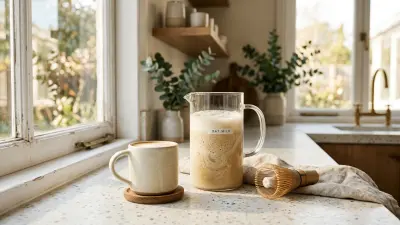
- Swirl the milk continuously in the pitcher. This helps integrate the foam and liquid, creating that glossy, paint-like consistency known as "wet paint" microfoam. Don't let it sit, or the foam will separate.
Common Microfoam Mistakes & Troubleshooting
- Too Many Big Bubbles: You introduced too much air too quickly, or didn't submerge the wand deep enough during the texturing phase. Tap and swirl more vigorously.
- Thin, Watery Milk: Not enough air was introduced during the stretching phase, or you heated it too quickly.
- Burnt/Scalded Milk: You overheated the milk. Stop steaming sooner!
- No Whirlpool: Your wand isn't angled correctly or is too deep. Adjust its position until you see that vortex.
Practice Makes Perfect
steaming milk is a skill that takes time and repetition to master. Don't get discouraged if your first few attempts aren't perfect. Pay attention to the sounds, the feel of the pitcher, and the visual cues of the milk. With consistent practice, you'll soon be pouring velvety microfoam and, eventually, beautiful latte art designs to impress yourself and your guests.
Keep experimenting with different milk types and techniques, and you'll find your rhythm. Happy steaming!