Unlocking Peak Flavor: The Importance of Descaling
As passionate home baristas, we know that brewing exceptional coffee goes beyond just selecting the right beans and grind. One often-overlooked yet critical aspect of coffee maker maintenance is descaling. Limescale buildup can silently sabotage your daily brew, diminishing flavor and even shortening the life of your beloved machine. At Coffee Brew Hub, we believe in empowering you to master every step, and that includes understanding the 'when' and 'why' of descaling.
What is Limescale and Why is Descaling Crucial?
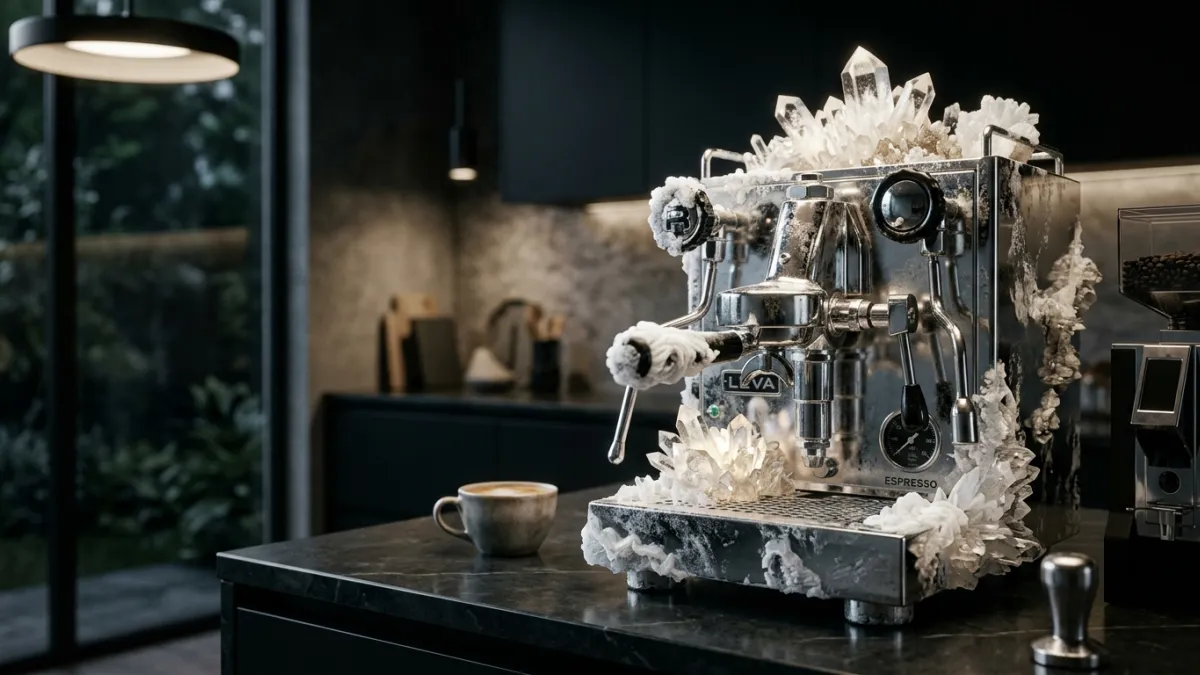
Limescale is a hard, chalky deposit consisting mainly of calcium carbonate. It forms when hard water is heated, leaving behind mineral residues. Over time, these deposits accumulate in your coffee maker's heating element, pipes, and brew group.
- Flavor Degradation: Limescale can impart a metallic or sour taste to your coffee, masking its true nuances. It also prevents water from reaching the optimal brewing temperature, leading to under-extraction and a flat, weak cup.
- Reduced Performance: Scale buildup obstructs water flow, causing your machine to brew slower, make strange noises, and struggle to heat water efficiently.
- Machine Damage & Shorter Lifespan: Left unchecked, limescale can cause heating elements to overheat and burn out, clog internal components, and lead to costly repairs or even premature machine failure.
How Often Should You Descale Your Coffee Maker? Your FAQ Answered!
There's no single "one-size-fits-all" answer, as descaling frequency depends on several factors. However, a good general rule of thumb for most users is to descale your coffee maker every 1 to 3 months.
Here’s a deeper look at the variables:
- Water Hardness: This is the most significant factor. If you live in an area with very hard water (high mineral content), you'll need to descale more frequently – perhaps monthly. If your water is soft, you might stretch it to every 3-4 months. You can check your local water report or use a water hardness test kit.
- Usage Frequency: The more often you brew coffee, the faster limescale will accumulate. A daily brewer will need descaling more frequently than someone who uses their machine a few times a week.
- Machine Type: espresso machines, especially super-automatic ones, are generally more susceptible to limescale damage due to their higher operating temperatures and pressure. Many espresso machines have built-in descaling indicators. drip coffee makers and single-serve brewers are also affected but might tolerate slightly longer intervals between descales.
- Manufacturer Recommendations: Always consult your coffee maker's user manual. Manufacturers often provide specific descaling instructions and recommended frequencies for their particular model.
Frequently Asked Questions About Descaling
What are the warning signs my coffee maker needs descaling?
Your coffee maker often tells you when it's time for a clean. Look out for these indicators:
- Slower Brewing: Water takes longer to pass through the machine.
- Unusual Noises: Gurgling, hissing, or sputtering sounds that are louder than usual.
- Lukewarm Coffee: Your coffee isn't as hot as it should be, indicating inefficient heating.
- Visible Residue: White, chalky deposits around the heating plate or water reservoir.
- Off-Taste: A bitter, sour, or metallic taste in your coffee.
- Descaling Indicator Light: Many modern machines, especially espresso makers, have a dedicated light.
Can I just use vinegar to descale my coffee maker?
While white vinegar is a common household descaling agent, its suitability depends on your machine. For basic drip coffee makers, a diluted vinegar solution (equal parts white vinegar and water) can be effective. However, for more complex machines like espresso makers, particularly those with aluminum components or internal sensors, vinegar can be too harsh, potentially corroding parts or leaving a residual smell/taste that's hard to rinse out. Always check your machine's manual before using vinegar.
What kind of descaler should I use?
For optimal results and machine safety, we generally recommend using a commercial descaling solution specifically designed for coffee makers. These are often made with citric acid or lactic acid, which are effective at dissolving limescale without harming internal components. They are also easier to rinse completely, ensuring no residual taste. If you prefer a natural option for simpler machines, food-grade citric acid powder dissolved in water is a good alternative to vinegar.
Does descaling improve coffee taste?
Absolutely! Descaling removes the mineral buildup that interferes with proper water heating and flow. When your machine is free of scale, water can reach the ideal brewing temperature, ensuring optimal extraction of flavors from your coffee grounds. The result is a cleaner, richer, and more authentic-tasting cup of coffee – exactly what every home barista strives for!
What happens if I don't descale my coffee maker regularly?
Neglecting descaling can lead to several undesirable outcomes:
- Poor Coffee Quality: As mentioned, off-tastes and under-extracted coffee.
- Reduced Machine Efficiency: Higher energy consumption due to the heating element working harder.
- Machine Malfunctions: Clogged pipes, damaged pumps, and burnt-out heating elements.
- Shortened Lifespan: Your coffee maker will simply wear out faster, necessitating early replacement.
Is descaling different for espresso machines versus drip coffee makers?
The principle is the same (removing limescale), but the process and importance can differ. Espresso machines operate at higher pressures and temperatures, making them more vulnerable to limescale damage and more complex to clean. Many have specific descaling cycles. drip coffee makers are generally simpler: run a descaling solution, then rinse. Always follow the specific instructions for your machine type.
How can I check my water hardness?
Knowing your water hardness is key to tailoring your descaling schedule. You can:
- Use a Water Hardness Test Kit: These are inexpensive and readily available online or at hardware stores.
- Check Your Local Water Utility Report: Many municipal water providers publish annual water quality reports that include hardness levels.
- Look for Signs of Hard Water: Excessive soap scum in your shower, spots on dishes, or stiff laundry can indicate hard water.
Master Your Brew, Master Your Machine
Regular descaling is a small effort with a huge payoff. By integrating this simple maintenance task into your routine, you'll not only extend the life of your coffee maker but also ensure that every cup you brew at your personal café (your kitchen!) is as delicious and flavorful as it was meant to be. Keep brewing perfectly with Coffee Brew Hub!