The Journey of Coffee: A Brief History from Ethiopia to Your Cup
Every morning, as you savor that first aromatic sip, do you ever pause to consider the incredible odyssey your coffee has undertaken? From a humble berry on a distant bush to the perfectly extracted shot in your mug, coffee's history is as rich and complex as its flavor profile. At coffee brew hub, we believe understanding this journey deepens your appreciation and connection to every brew. So, let’s embark on a historical expedition, tracing coffee's remarkable path from its ancient origins to becoming the beloved global beverage we know today.
The Mythical Birth in Ethiopia: Kaldi and His Dancing Goats
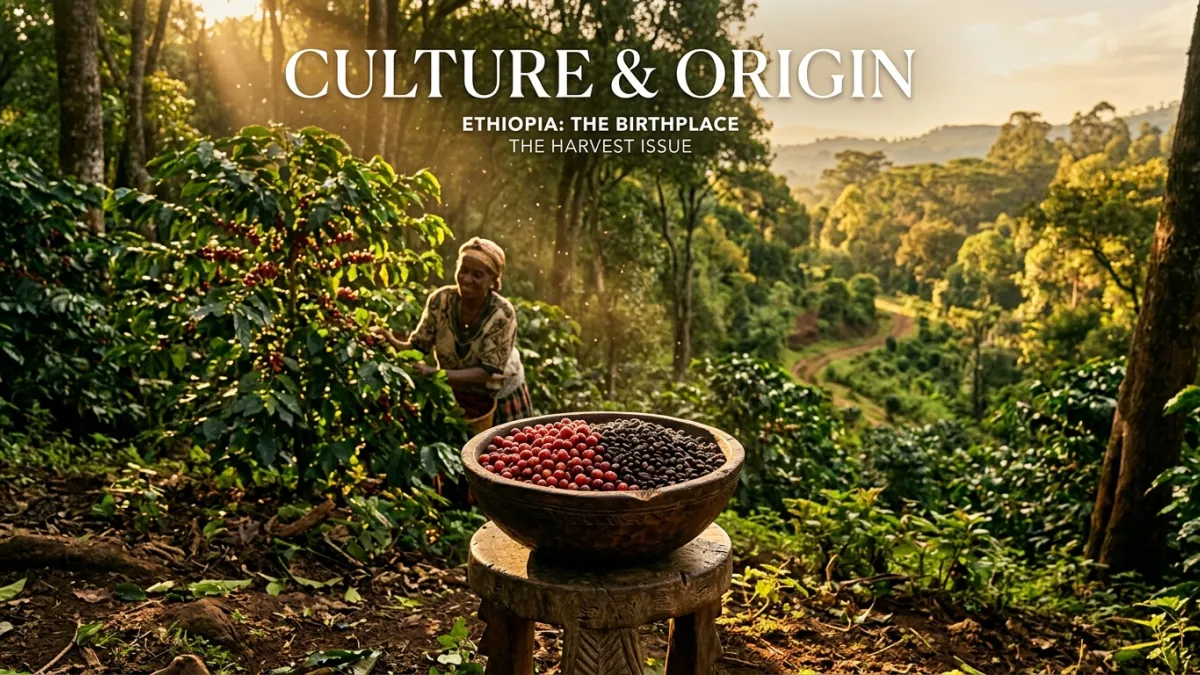
Our story begins in the ancient forests of Ethiopia, specifically in the Kaffa region, around the 9th century. While historical accounts are often shrouded in legend, the most enduring tale introduces us to Kaldi, a goat herder. He noticed his goats became unusually energetic, almost dancing, after munching on bright red berries from a particular shrub. Curious, Kaldi tried the berries himself and experienced a similar invigorating effect. He shared his discovery with the abbot of a local monastery, who initially disapproved, throwing the berries into a fire.
However, the enticing aroma that wafted from the roasting berries caught their attention. They raked the embers, crushed the beans, and dissolved them in hot water, creating the world's first cup of coffee. This potent brew helped the monks stay awake during long hours of prayer. Thus, coffee's reputation as a stimulant was born, forever linking its origins to spiritual awakening and sustained focus.
The Arabian Peninsula: From Monastery to Coffee House
From Ethiopia, coffee beans made their way across the Red Sea to the Arabian Peninsula, specifically Yemen, by the 15th century. Here, Sufi mystics cultivated coffee (known as “qahwa”, meaning “that which prevents sleep”) in their monasteries, using it to aid concentration and remain alert during nocturnal devotions. The port city of Mocha became a crucial trading hub, facilitating coffee's spread.
By the 16th century, coffee had taken root in Persia, Egypt, Syria, and Turkey. The first coffee houses (known as “kaveh kanes”) began to emerge in cities like Mecca and Cairo. These weren't just places to drink coffee; they became vibrant centers for social interaction, intellectual debate, and artistic performance. They were often referred to as “schools of the wise,” fostering a culture of discussion and creativity.
Coffee Conquers Europe: A Brew of Controversy and Enlightenment
Despite attempts by Arab merchants to maintain a monopoly on coffee production by only exporting roasted or boiled beans, the secret eventually slipped out. In the early 17th century, coffee arrived in Europe. Venetian merchants introduced it to Italy, where it initially faced skepticism, even being dubbed the “bitter invention of Satan.” However, Pope Clement VIII, upon tasting it, reportedly blessed the beverage, declaring it “so delicious that it would be a pity to let the infidels have exclusive use of it.”
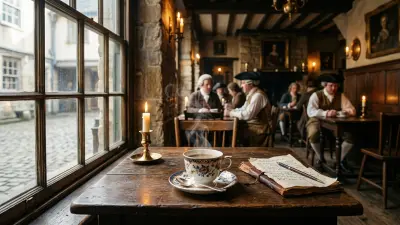
The first European coffee houses opened in Venice (1645), London (1652), and Paris (1672). Like their Middle Eastern counterparts, these establishments quickly became popular social venues. In England, they were dubbed “penny universities” because for the price of a penny, one could buy a cup of coffee and engage in stimulating conversation with scholars, merchants, and artists. Coffee played a significant role in the Enlightenment, fostering environments for intellectual exchange and the spread of new ideas.
Global Expansion: A World Awash in Beans
As coffee's popularity soared, European colonial powers sought to cultivate it in their own territories. The Dutch were instrumental in breaking the Arabian monopoly, smuggling coffee seedlings out of Yemen in the late 17th century. They successfully established plantations in their colonies, most notably on the island of Java in Indonesia, giving rise to the famous “cup of Java.”
The French introduced coffee to the Americas. Legend has it that in 1723, Gabriel de Clieu painstakingly transported a single coffee plant seedling across the Atlantic to Martinique, enduring perilous journeys and sharing his meager water rations with the fragile plant. From this single plant, coffee cultivation rapidly spread throughout the Caribbean, Central, and South America, with Brazil eventually emerging as the world's largest producer.
The Modern Era: From Instant to Specialty
The 19th and 20th centuries brought industrialization to coffee. Advancements in roasting, grinding, and brewing technology made coffee more accessible and affordable. The invention of instant coffee in the early 1900s further cemented its convenience. However, this era of mass production often prioritized quantity over quality.
Thankfully, the late 20th century witnessed the rise of the specialty coffee movement. This movement marked a return to appreciating coffee's origins, specific varietals, precise processing, and expert brewing. It emphasized traceability, fair trade, and sustainable practices, connecting consumers more deeply with the farmers and the intricate journey of their beans.
Your Cup, A Testament to History
Today, coffee is more than just a beverage; it's a global phenomenon, a cultural touchstone, and an intricate art form. From the ancient Ethiopian highlands to the bustling coffee houses of Istanbul and the “penny universities” of London, coffee has fueled human endeavor, creativity, and conversation for centuries.
The next time you brew a cup at home, take a moment to reflect on this incredible legacy. Each bean holds a story of discovery, cultivation, and passion. Mastering your brew is not just about technique; it's about honoring this rich history. At coffee brew hub, we're here to guide you through every step of that mastery, connecting you ever closer to the fascinating world of coffee.