Every home barista, from the curious beginner to the seasoned enthusiast, has faced that moment of disappointment: a perfectly brewed cup, or so you thought, turns out to be anything but. Instead of a rich, balanced flavor, you're met with a harsh bitterness, an unpleasant sourness, or a simply weak, watery brew. Don't despair! These common issues are not signs of failure but rather opportunities to refine your craft. At coffee brew hub, we believe that understanding the "why" behind these problems is the first step to mastering the "how" of delicious coffee.
The Core Culprits: Understanding Extraction
At the heart of every brewing problem lies an issue with extraction – the process by which water dissolves desirable compounds from coffee grounds. Proper extraction yields a balanced, complex flavor. Too little extraction (under-extraction) leaves you with sour, thin coffee. Too much extraction (over-extraction) results in bitter, astringent notes. Let’s dive into how to identify and fix these common pitfalls.
Why is My Coffee BITTER? (Over-Extraction)
Bitterness, often accompanied by a dry, astringent sensation on the tongue, is a classic sign of over-extraction. This means too many soluble solids, particularly the undesirable bitter compounds, have been pulled from the coffee grounds.
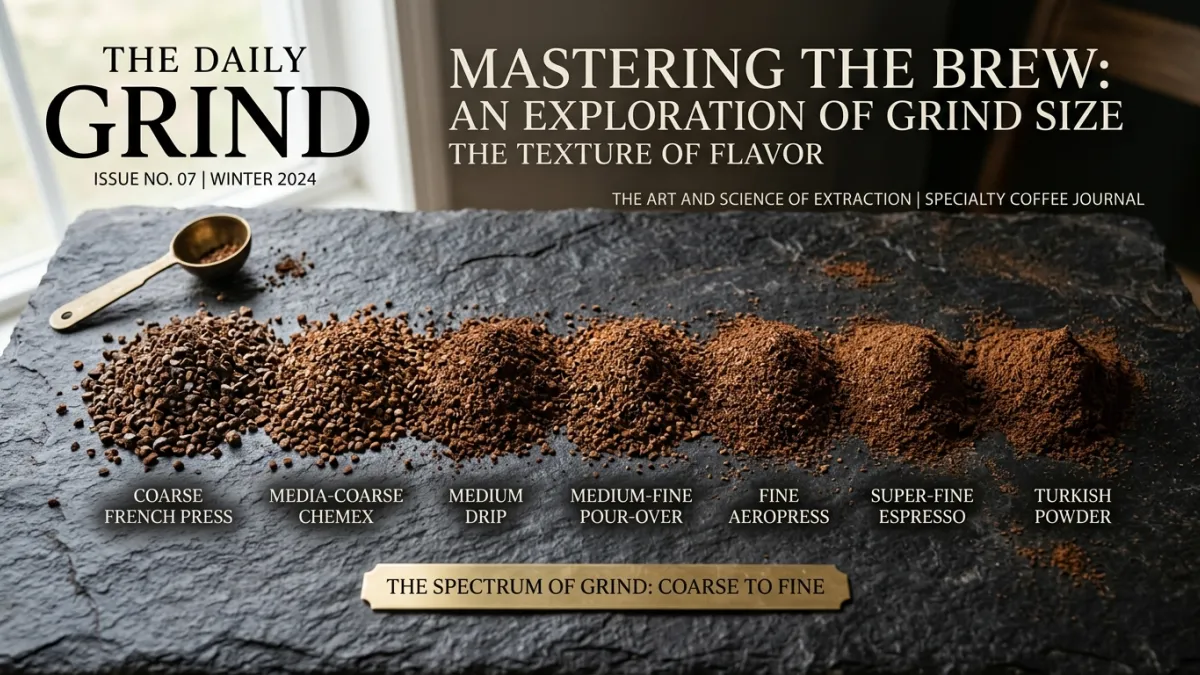
1. Grind Size Too Fine
- Problem: A very fine grind increases surface area, slowing water flow and leading to prolonged contact with grounds.
- Fix: Try a slightly coarser grind. Adjust incrementally until bitterness subsides.
2. Brewing Time Too Long
- Problem: Extended contact time allows for excessive extraction.
- Fix: Reduce your brewing time. For French Press, plunge sooner; for pour-overs, ensure efficient drainage.
3. Water Temperature Too High
- Problem: Excessively hot water (above 205°F/96°C) aggressively extracts bitter compounds and unpleasant phenolics.
- Fix: Aim for 195-205°F (90-96°C). If no temp control, let boiling water sit for 30-60 seconds.
4. Too Much Coffee (Over-Dosing)
- Problem: Using too much coffee can lead to uneven and prolonged extraction in some areas, resulting in bitterness.
- Fix: Adjust your coffee-to-water ratio. A good starting point is 1:15 to 1:18. Use a scale for precision.
Why is My Coffee SOUR or TART? (Under-Extraction)
If your coffee tastes bright, acidic, and reminiscent of unripe fruit or lemon, it's likely under-extracted. This means not enough desirable compounds have been extracted.
1. Grind Size Too Coarse
- Problem: A coarse grind allows water to flow too quickly, resulting in insufficient contact time and a weak, sour brew.
- Fix: Try a slightly finer grind. This increases surface area and slows water flow for better extraction.
2. Brewing Time Too Short
- Problem: Insufficient contact time prevents full flavor development.
- Fix: Increase your brewing time. For pour-overs, this might involve slower pouring or a slightly finer grind.
3. Water Temperature Too Low
- Problem: Cold water lacks the energy to efficiently dissolve flavor compounds, leading to under-extraction and a flat, sour taste.
- Fix: Ensure your water is between 195-205°F (90-96°C).
4. Not Enough Coffee (Under-Dosing)
- Problem: Too few coffee solids relative to water results in a weak, often sour, brew due to diluted initial extraction.
- Fix: Increase your coffee dose, maintaining your desired coffee-to-water ratio (e.g., 1:15 to 1:18).
5. Uneven Extraction (Channeling)
- Problem: Water bypassing parts of the coffee bed leads to uneven extraction, causing mixed bitter and sour notes.
- Fix: Ensure an even coffee bed. For pour-overs, a gentle "bloom" and even pouring technique can prevent channeling.
Why is My Coffee WEAK or WATERY?
A weak or watery cup lacks body, flavor intensity, and leaves you feeling unsatisfied. This is often a sign of insufficient coffee solids in the final brew.
1. Not Enough Coffee
- Problem: Simply too much water for the amount of coffee used.
- Fix: Increase your coffee dose or decrease water. Stick to recommended ratios (e.g., 1:15 to 1:18).
2. Grind Size Too Coarse
- Problem: As with sour coffee, a coarse grind leads to under-extraction and weak flavor.
- Fix: Use a finer grind for better extraction and more flavor.
3. Brewing Time Too Short
- Problem: Insufficient contact time means not enough flavor compounds are dissolved.
- Fix: Extend the brewing time for fuller extraction.
4. Stale Beans
- Problem: Beans lose volatile aromatics and flavor potential quickly after roasting.
- Fix: Always use freshly roasted, whole bean coffee, ground just before brewing. Store in an airtight, opaque container.
General Troubleshooting Tips for Consistent Perfection
Beyond addressing specific taste issues, adopting these practices will elevate your brewing game and ensure consistently delicious results:
- Start with Quality Beans: Non-negotiable. Use freshly roasted, whole bean coffee from a reputable roaster.
- Invest in a Good Grinder: A burr grinder provides consistent grind size, crucial for even extraction. Avoid blade grinders.
- Measure Accurately: Use a digital scale for both coffee and water. This is key for consistency.
- Monitor Water Temperature: A temperature-controlled kettle ensures consistent extraction.
- Clean Your Equipment Regularly: Prevent rancid coffee oils from imparting off-flavors.
- Keep a Brewing Journal: Note coffee type, grind, dose, temp, brew time, and taste. Track what works.
- Taste and Adjust: Your palate is your ultimate guide. Experiment with one variable at a time for your perfect cup.
Mastering the art of coffee brewing is a journey of continuous learning and refinement. By understanding the causes behind bitter, sour, or weak coffee, you're now equipped with the knowledge to tackle these challenges head-on. Embrace the experimentation, adjust one variable at a time, and soon you'll be consistently brewing café-quality coffee right in your kitchen. Happy brewing from your friends at coffee brew hub!