Mastering Your Pour: Electric vs. Stovetop Gooseneck Kettles
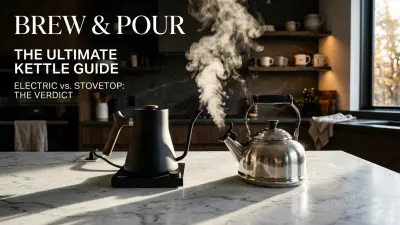
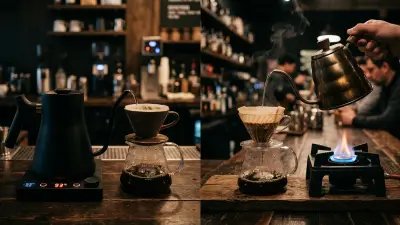
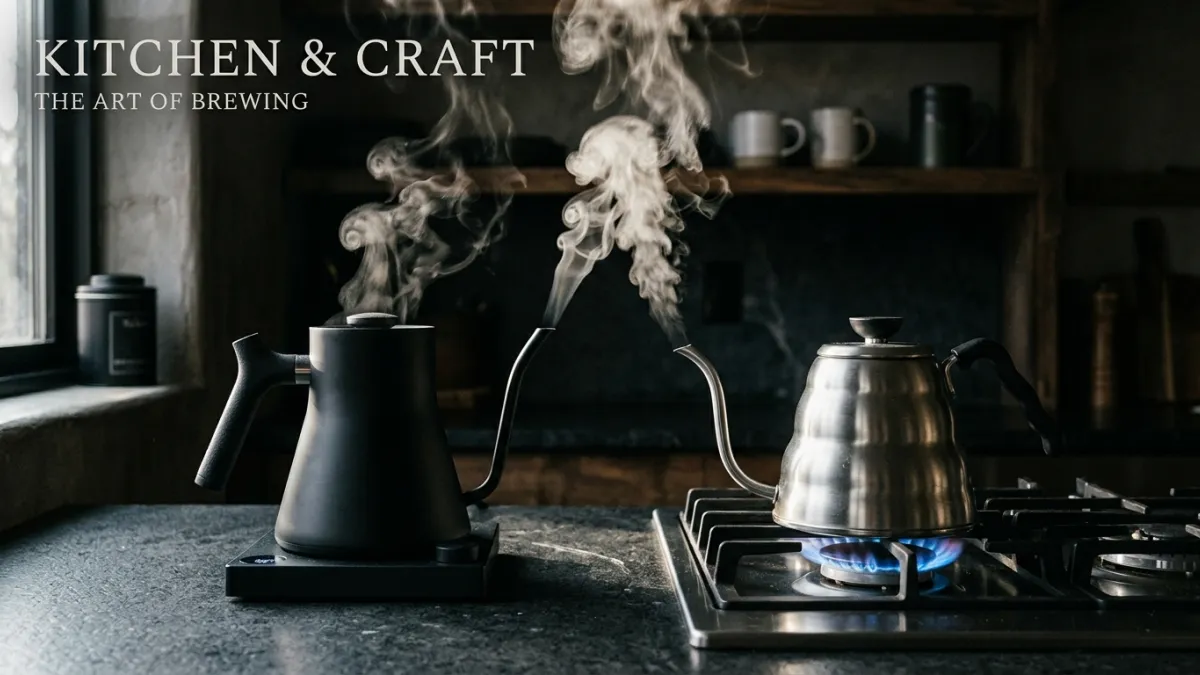
For any serious home barista, the gooseneck kettle is an indispensable tool. Its slender, curved spout offers unparalleled control, allowing you to direct your pour precisely, saturating coffee grounds evenly for optimal extraction. But when it comes to powering these essential brewing instruments, a fundamental question arises: should you opt for an electric or a stovetop model? At Coffee Brew Hub, we understand the nuances matter. Let's dive deep into a detailed comparison of electric and stovetop gooseneck kettles, evaluating them on precision, speed, and convenience to help you choose your ideal brewing partner.
Electric Gooseneck Kettles: Precision at Your Fingertips
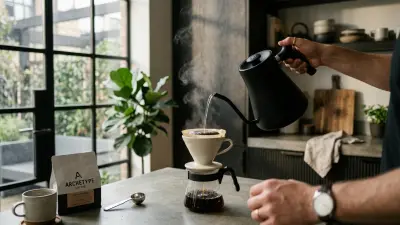
electric gooseneck kettles have revolutionized the pour-over experience for many. Often featuring sleek designs and intuitive controls, they bring a new level of sophistication to your brew bar.
- Precision: This is where electric kettles truly shine. High-end models boast variable temperature control, allowing you to set your water temperature to the exact degree (e.g., 205°F or 96°C) you desire for your specific roast or brewing method. Many come with a "hold" function, maintaining that precise temperature for extended periods, perfect for multiple pours or consecutive brews. This level of accuracy eliminates guesswork and ensures consistent results every time.
- Speed: Equipped with powerful heating elements, electric kettles are generally faster at bringing water to temperature than their stovetop counterparts. A typical 1-liter electric kettle can boil water in just a few minutes, freeing up your stovetop for other culinary tasks.
- Convenience: The convenience factor is significant. Simply plug it in, fill with water, set your temperature, and press a button. Many models feature digital displays, auto-shutoff for safety, and even programmable timers. The cordless kettle body makes for easy pouring and refilling, while the base stays put.
Pros:
- Unmatched temperature accuracy and consistency.
- Rapid heating times.
- Safety features like auto-shutoff and boil-dry protection.
- Modern aesthetics and advanced features (timers, presets).
Cons:
- Generally higher upfront cost.
- Requires counter space and an available power outlet.
- Electronics can be prone to failure over time, though quality models are very durable.
Stovetop Gooseneck Kettles: The Classic, Reliable Choice
Stovetop gooseneck kettles represent the traditional approach, embodying simplicity and durability. They are a timeless fixture in many kitchens and coffee stations.
- Precision: Achieving precise temperatures with a stovetop kettle requires more effort. You'll typically need an external thermometer (clip-on or probe) to monitor the water temperature. While experienced brewers can gauge temperature by visual cues (steam, bubbling), it's inherently less accurate than an electric kettle's digital display. Maintaining a specific temperature once removed from the heat source is also more challenging.
- Speed: The heating speed of a stovetop kettle largely depends on your stovetop type. Gas burners often heat water quickly, while electric coil stovetops can be slower. Induction-compatible stovetop kettles can be very fast, rivaling electric models. However, the overall process (filling, placing on stove, monitoring, removing) can feel less streamlined.
- Convenience: Stovetop kettles are wonderfully simple. There are no cords, no electronics, and they are highly portable – ideal for camping or travel if you have access to a heat source. They often boast superior durability, with many made from sturdy stainless steel, designed to last for years.
Pros:
- Often more affordable.
- Extremely durable and long-lasting.
- No need for an electrical outlet; greater portability.
- Classic, minimalist aesthetic that fits any kitchen.
- Easy to clean; many are dishwasher safe (though hand washing is often recommended for longevity).
Cons:
- Less precise temperature control, often requiring an external thermometer.
- Slower heating on some stovetop types.
- Requires constant monitoring to prevent over-boiling or achieve target temperature.
- No automatic shut-off feature.
Which Kettle is Right for Your Brew?
When choosing between an electric and stovetop gooseneck kettle, consider your priorities:
- For the Precision Purist & Tech Enthusiast: If you value absolute temperature control, consistency, and convenience above all else, an electric gooseneck kettle with variable temperature settings is likely your best bet. It streamlines your brewing ritual, allowing you to focus purely on your pouring technique.
- For the Traditionalist & Budget-Conscious Brewer: If durability, portability, and a more hands-on approach appeal to you, a stovetop gooseneck kettle is an excellent, cost-effective choice. It’s perfect for those who don't mind monitoring their water temperature manually and appreciate the robust simplicity of a classic kitchen tool.
- For the Space-Saver: If counter space is at a premium, a stovetop model might be slightly more appealing as it can be stored away easily when not in use, freeing up valuable real estate.
Ultimately, both electric and stovetop gooseneck kettles are capable of helping you brew exceptional coffee. Your choice hinges on your personal brewing style, budget, and the specific features that will best enhance your daily coffee ritual. Whether you lean towards the cutting-edge accuracy of electric or the enduring charm of stovetop, investing in a quality gooseneck kettle is a significant step towards turning your kitchen into a personal café, ready to explore the vast world of specialty coffee.