Why a Good Grinder is Non-Negotiable for Better Coffee
At coffee brew hub, we believe that the journey to an exceptional cup begins long before the hot water hits the grounds. It starts with the beans, and crucially, with how you prepare them. If you're serious about elevating your home brewing, investing in a quality coffee grinder isn't just an upgrade—it's the single most impactful step you can take. A good grinder ensures grind consistency, which is vital for even extraction and unlocks the full spectrum of flavors in your coffee. Without it, even the finest beans and most precise brewing methods will fall short.
Blade vs. Burr Grinders: The Fundamental Choice
The Problem with Blade Grinders
Let's get this out of the way: blade grinders are not coffee grinders; they are blenders. They chop and smash beans erratically, creating an inconsistent mix of fine powder and coarse chunks. This "bimodal" distribution leads to uneven extraction – some particles over-extract (bitter), others under-extract (sour), resulting in a muddy, unsatisfying cup. Avoid them if you truly want to taste your coffee.
Embracing Burr Grinders: The Path to Perfection
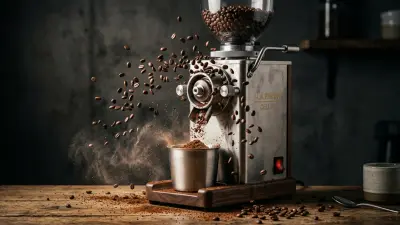
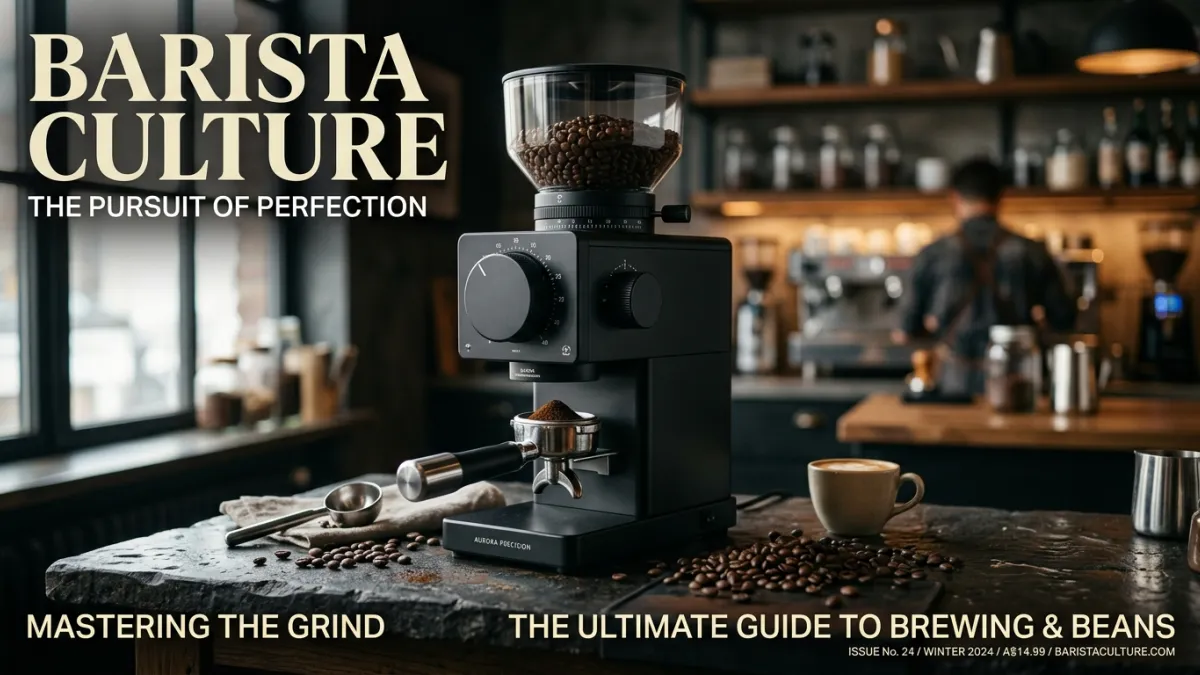
Burr grinders, on the other hand, crush coffee beans between two abrasive surfaces (burrs) to produce a uniform particle size. This consistency is paramount for a balanced and flavorful brew. Burr grinders come in two main configurations:
- Conical Burrs: These feature a cone-shaped inner burr that sits inside a ring-shaped outer burr. They typically operate at lower RPMs, which reduces heat and noise. They're excellent for a wide range of grind sizes, from espresso to French press, and are often found in both manual and electric models.
- Flat Burrs: Consisting of two parallel, ring-shaped burrs with cutting teeth, flat burrs grind coffee as it passes between them. They tend to produce a very uniform particle size and are often favored for espresso due to their precision. However, they can generate slightly more heat and noise due to higher RPMs, though modern designs mitigate this.
- Steel vs. Ceramic Burrs: Most burrs are either made of hardened steel or ceramic. Steel burrs are sharper, often preferred for their precision and longevity, though they can be more expensive. Ceramic burrs are durable, stay sharp for a long time, and are often found in manual grinders due to their excellent heat dissipation.
Manual vs. Electric Grinders: Power or Portability?
Manual Grinders: For the Dedicated and Mobile
Manual grinders are operated by hand-cranking and are excellent for specific needs:
- Pros: Highly portable (great for travel), significantly quieter than electric models, often more affordable for quality burrs, no static electricity issues, offer a meditative brewing ritual.
- Cons: Require manual effort (can be tiring for large batches), slower grinding process.
Electric Grinders: Convenience Meets Consistency
electric grinders offer unparalleled convenience for daily brewing:
- Pros: Fast, effortless, ideal for multiple servings or busy mornings, often come with features like timers and dosing options.
- Cons: Generally more expensive for equivalent quality, can be noisy, require counter space, some may produce static cling.
The Heart of the Grind: Consistency and Settings
Regardless of type, a grinder's primary job is to deliver a consistent grind size. The ability to adjust this size accurately is crucial:
- Grind Range: Your chosen brew methods dictate the necessary range. Espresso demands very fine, pour-over needs medium-fine, and French press requires coarse. Ensure the grinder you select can handle your preferred methods with distinct, reliable settings.
- Stepped vs. Stepless Adjustment:
- Stepped grinders have pre-defined notches for grind size. They're easy to use and return to previous settings but offer less granular control.
- Stepless grinders allow for infinite micro-adjustments between settings. This precision is invaluable for dialing in espresso but can be trickier for beginners.
Beyond the Basics: What Else to Consider
- Motor Quality and Heat: A strong, low-speed motor in an electric grinder reduces heat buildup, which can "bake" your coffee beans and degrade flavor. Look for grinders with geared-down motors.
- Build Quality and Durability: Invest in a grinder with robust construction. Metal components often last longer than plastic, especially in critical areas like the burr assembly.
- Dosing and Hopper Size: Consider how much coffee you brew. Do you need a large hopper for convenience, or do you prefer single-dosing for maximum freshness? Dosing options (timer-based or weight-based) add convenience but increase cost.
- Ease of Cleaning: Coffee oils and fine particles accumulate over time, affecting performance and flavor. A grinder that's easy to disassemble and clean will maintain its consistency and extend its lifespan.
- Noise Level and Footprint: Electric grinders vary widely in noise. If you're an early riser or live in a small space, consider a quieter model. Also, check the grinder's dimensions to ensure it fits comfortably on your counter.
Your Grinder, Your Budget
Quality grinders range from entry-level manual options around $50-100 to high-end electric models costing several hundred dollars or more. For beginners, a solid entry-level electric burr grinder (typically $100-200) or a quality manual grinder ($50-150) offers a significant improvement over blade grinders. As your passion grows, so too might your investment in a more sophisticated machine.
The Final Grind
Choosing the right coffee grinder is a personal decision that reflects your brewing habits, preferences, and budget. By understanding the core differences between burr types, manual vs. electric, and the importance of grind consistency, you're well-equipped to make an informed choice. Take your time, do your research, and prepare to unlock a world of flavor you never knew existed in your daily cup. Happy brewing!