Your Journey to Affordable Espresso Excellence Starts Here
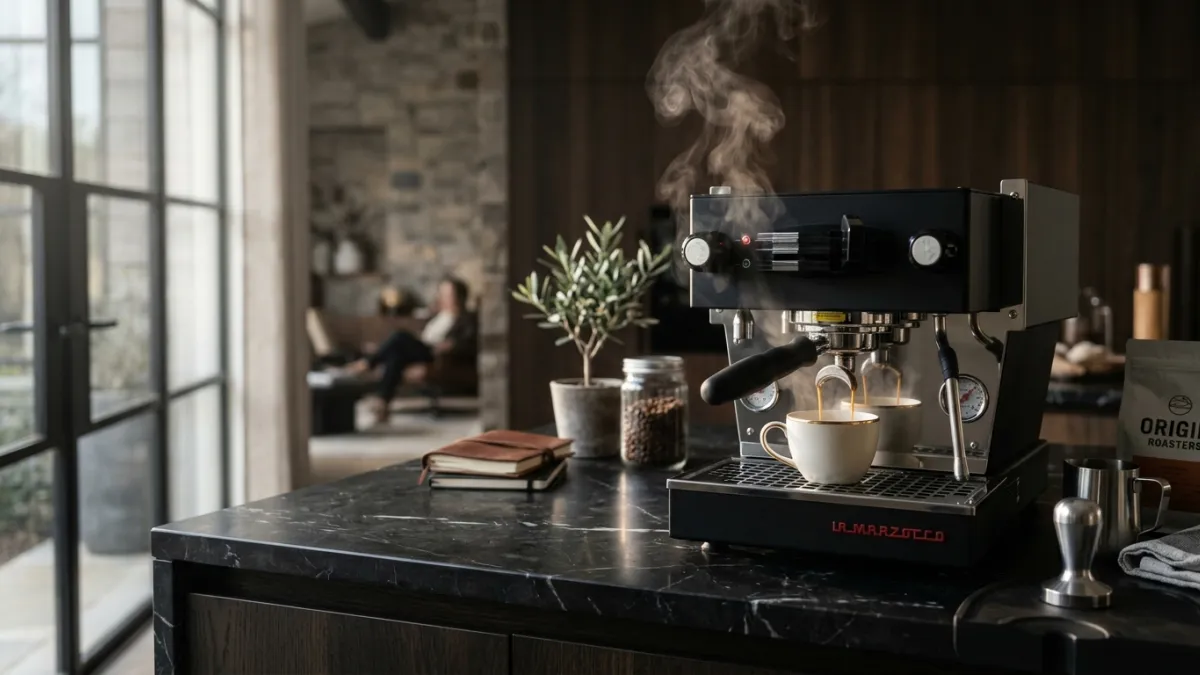
For many aspiring home baristas, the dream of crafting perfect espresso at home often collides with the reality of high price tags. Commercial-grade machines can easily run into the thousands, making the quest for a budget-friendly option seem daunting. But what if we told you that producing genuinely good espresso, complete with a rich crema and velvety steamed milk, is absolutely possible for under $200? Welcome to 2025, and yes, it still holds true!
At coffee brew hub, we believe that mastering coffee brewing should be accessible to everyone. While machines in this price bracket come with certain limitations, they offer an incredible entry point into the world of espresso. This guide will walk you through what to realistically expect, review some standout options, and arm you with the knowledge to get the best possible shots from your budget-friendly machine.
What to Expect (and Not to Expect) from an Under-$200 Espresso Machine
Before diving into specific models, it’s crucial to set realistic expectations. Machines under $200 are generally entry-level, semi-automatic devices. They are designed to simplify the brewing process, often using features that compensate for less-than-ideal grind consistency or coffee freshness.
- Expect:
- Pressurized Portafilters: These are standard at this price point. They create artificial pressure to produce crema even with pre-ground coffee, making the brewing process more forgiving for beginners.
- 15-Bar or 20-Bar Pumps: While often marketed, the actual brewing pressure at the puck is usually much lower (around 9 bars is ideal). However, these pumps provide sufficient power for a decent shot.
- Panarello Steam Wands: Most machines will feature a panarello wand, a sleeve over the steam nozzle that simplifies milk frothing. It's great for beginners, though less versatile than a traditional wand.
- Compact Footprint: Designed for home kitchens, these machines are usually small and won't take up much counter space.
- A Learning Curve: Even with simplified features, mastering espresso and milk frothing takes practice.
- Don't Expect:
- Commercial-Grade Durability: Expect more plastic components and less robust internal systems compared to higher-end models.
- Precise Temperature Stability (PID): These machines typically use thermoblocks or basic boilers without advanced temperature control, leading to some shot-to-shot variation.
- Unpressurized Basket Compatibility: Most are designed exclusively for pressurized baskets, limiting your ability to experiment with dialing in grind size for true espresso extraction.
- Lightning-Fast Heat-Up: While quick, they won't be instantaneous, and pre-heating is crucial.
- Advanced Features: Don't expect features like volumetric dosing, programmable profiles, or dual boilers.
Top Contenders: Honest Reviews for 2025
While specific model numbers may evolve, the *types* of machines available under $200 remain consistent. Here are two strong archetypes that continue to dominate this budget category, offering excellent value for money.
1. The Reliable Workhorse: De'Longhi ECP3420/EC155 Type
Overview: Machines in this category (like the popular De'Longhi ECP3420 or EC155) have stood the test of time, offering a classic semi-automatic experience. They are often lauded for their balance of performance and affordability.
Pros:
- Consistent Espresso (for the price): Thanks to their pressurized portafilters, these machines consistently produce decent shots with a respectable amount of crema, even with pre-ground coffee.
- Capable Steam Wand: The panarello wand is surprisingly effective for frothing milk for lattes and cappuccinos, making it easy for beginners to achieve a creamy texture.
- Quick Heat-Up: Generally ready to brew within 30-60 seconds, which is convenient for daily use.
- Durable for its Class: While not commercial-grade, many users report these machines lasting for years with proper care.
Cons:
- Mostly Plastic Build: Expect a significant amount of plastic in the housing and components, which can feel less premium.
- Small Water Reservoir: Requires frequent refills if you're making multiple drinks.
- Temperature Swings: Lacks PID control, so shot temperature can vary, impacting consistency.
Verdict: A fantastic entry point for those serious about learning espresso and milk frothing. It’s a workhorse that, with a bit of care, can serve you well for years.
2. The User-Friendly All-in-One: Mr. Coffee/Hamilton Beach Type
Overview: These machines prioritize ease of use and often come with more automated features, sometimes including integrated milk frothers or simpler push-button controls. They are perfect for beginners who want minimal fuss.
Pros:
- Extremely Easy to Use: Often features one-touch buttons for espresso and sometimes a separate button for steaming. Great for those who want a quick coffee without much fuss.
- Compact and Integrated: Many models are designed to be very space-efficient, sometimes with built-in milk reservoirs that simplify frothing.
- Good Value: Often includes more features for the price, making them attractive for first-time buyers.
Cons:
- Less Control: The simplified interface means less control over brewing parameters like shot volume or temperature.
- Inconsistent Milk Frothing: While convenient, integrated frothers can sometimes be less consistent or produce less fine microfoam than a dedicated steam wand.
- Shorter Lifespan: Due to more complex internal systems for automation, these machines can sometimes be more prone to issues over time.
Verdict: Ideal for the casual espresso drinker or absolute beginner who values convenience above all else. It's a great stepping stone to understand if espresso making is for you.
Tips for Success with Your Budget Espresso Machine
Having a sub-$200 espresso machine doesn't mean compromising on taste if you follow these crucial tips:
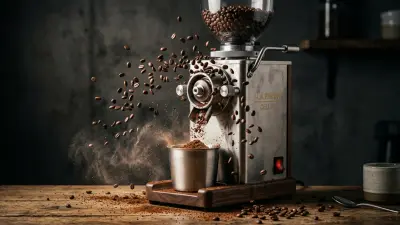
- Invest in a Good Grinder: This is arguably the most important tip. Even with pressurized baskets, fresh coffee ground consistently (preferably just before brewing) will dramatically improve your espresso. A burr grinder is a must, even a manual one.
- Use Freshly Roasted Beans: Coffee beans past their prime lose their flavor and crema potential. Buy smaller batches and use them within a few weeks of the roast date.
- Pre-Heat Everything: Run a blank shot (just hot water) through the portafilter and into your cup before brewing. This warms the machine and your cup, preventing temperature shock and preserving flavor.
- Clean Regularly: After every use, wipe down the steam wand. Backflush the portafilter (if your machine allows) and descale regularly according to the manufacturer's instructions. This prevents clogs and ensures great-tasting coffee.
- Practice Your Milk Frothing: Even with a panarello wand, practice makes perfect. Experiment with the steam duration and position of the wand in the milk to achieve your desired texture.
The Bottom Line
Brewing excellent espresso on a budget is not just a pipe dream in 2025 – it's a reality within reach. While machines under $200 demand a little more patience, experimentation, and diligent care, they offer a fantastic gateway into the world of specialty coffee. By understanding their limitations and leveraging smart brewing techniques, you can turn your kitchen into a personal café without breaking the bank. Happy brewing from your friends at Coffee Brew Hub!