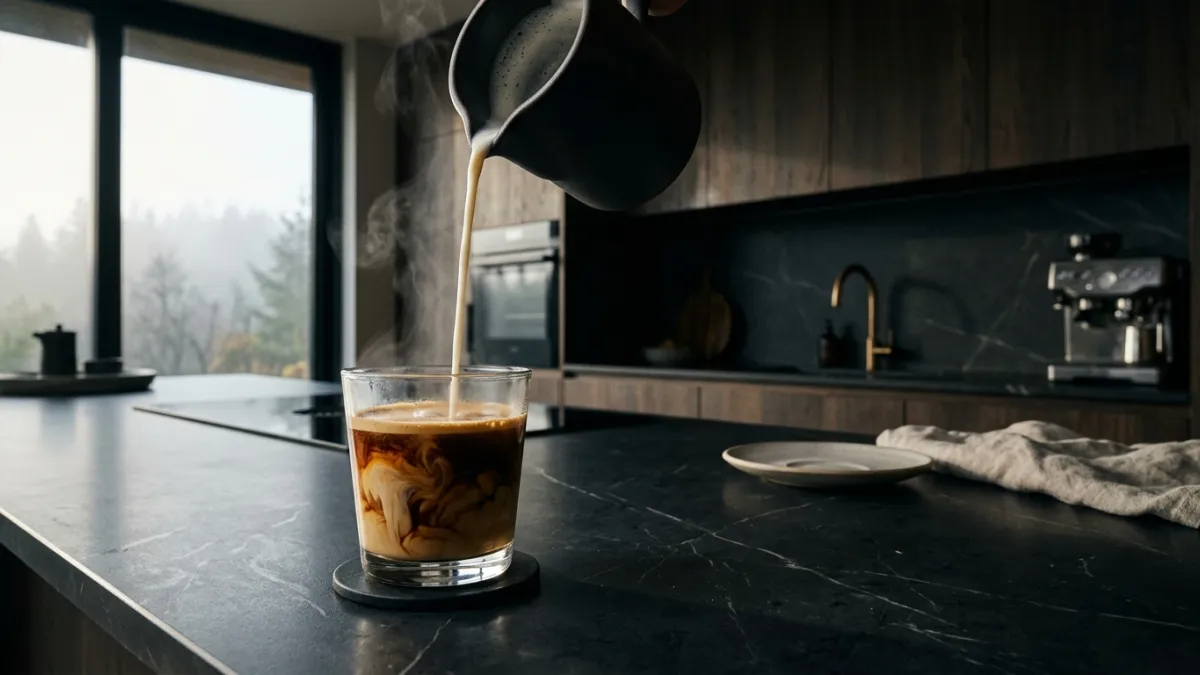
For many coffee lovers embracing plant-based diets or simply exploring new flavors, soy milk has become a go-to alternative to dairy. It offers a creamy texture and a distinct flavor that pairs wonderfully with coffee. However, a common frustration for home baristas is the dreaded curdling of soy milk when it meets hot coffee. If you've ever poured your carefully frothed soy milk into your morning brew only to be met with an unappetizing sight of separated chunks, you're not alone. Here at coffee brew hub, we understand your pain and are here to demystify this common issue, providing practical tips to ensure a smooth, delicious soy latte every time.
The Soy Milk & Coffee Conundrum: Understanding Curdling
Why Does Soy Milk Curdle in Coffee?
The science behind soy milk curdling in coffee boils down to a reaction between proteins and acids, exacerbated by temperature shock. Soy milk contains a significant amount of protein. Coffee, by its very nature, is acidic. When these two meet under certain conditions, the acidity causes the soy proteins to denature and clump together, resulting in the visible curdling.
- Acidity: Coffee's pH level is typically between 4.5 and 5.5, which is acidic. The lower the pH (more acidic), the higher the chance of curdling.
- Temperature: Rapid changes in temperature can shock the soy proteins. Pouring cold soy milk directly into very hot coffee is a prime culprit. High heat also accelerates the denaturing process.
- Protein Content & Stability: Different brands and types of soy milk have varying protein compositions and stabilizers. Some are simply more prone to curdling than others.
Is Curdled Soy Milk Safe to Drink?
The good news is that curdled soy milk in coffee is generally safe to drink. It's an aesthetic and textural issue, not a safety one. The proteins are simply clumping, similar to how milk curdles when making cheese or yogurt. While safe, the grainy texture and unappealing appearance can certainly detract from the enjoyment of your coffee experience.
Your Expert Guide to Preventing Soy Milk Curdling
Don't let curdling deter you from enjoying your soy lattes! With a few simple adjustments and understanding, you can achieve a perfectly smooth, creamy cup.
Tip 1: Choose the Right Soy Milk
- Opt for barista blends: Many brands now offer "barista blend" soy milks. These are specifically formulated with added stabilizers (like carrageenan or gellan gum) and often a slightly higher fat content to withstand heat and acidity, making them much less likely to curdle and better for frothing.
- Check Ingredients: Soy milks with fewer additives or lower protein content might be more susceptible to curdling. Experiment with different brands to find one that works best for your coffee.
Tip 2: Temperature is Key
This is perhaps the most crucial tip. Avoid shocking the soy milk with extreme temperature differences.
- Warm Your Soy Milk: Before adding it to your hot coffee, gently warm your soy milk. You can do this by steaming it (if you have an espresso machine) or heating it on the stovetop until it's warm to the touch but not boiling. The ideal temperature for frothing is usually between 140-150°F (60-65°C).
- Let Coffee Cool Slightly: If your coffee is scalding hot, let it cool for a minute or two before adding the soy milk.
Tip 3: Acidity Matters
The acidity of your coffee plays a significant role.
- Use Lower-Acidity coffee beans: Darker roasts generally have lower acidity than lighter roasts. Experiment with different beans and roast profiles to find one that's more soy-friendly. cold brew coffee also has significantly lower acidity and is an excellent choice for soy milk.
- Add Milk to Coffee (Slowly): Instead of pouring hot coffee into cold soy milk, pour the warmed soy milk into your cup first, then slowly add the coffee while stirring gently. This helps temper the temperature difference and allows the soy proteins to adjust gradually.
- Consider a Pinch of Baking Soda: A tiny pinch (less than 1/8 teaspoon) of baking soda can neutralize some of the coffee's acidity, making it less prone to curdling. Be careful not to add too much, as it can affect the taste.
Tip 4: Stir It Right
Once you've added your warmed soy milk, stir your coffee gently but thoroughly. This helps integrate the milk and coffee evenly, preventing localized areas of high acidity or temperature shock.
Tip 5: Freshness Counts
Ensure your soy milk is fresh. As soy milk ages, its pH can drop slightly, making it more acidic and prone to curdling. Always check the expiration date.
Tip 6: Experiment with Coffee Beans
As mentioned, the type of coffee bean and its roast level can influence acidity. Lighter roasts often have brighter, more pronounced acidity, while darker roasts tend to be mellower. If you're consistently facing curdling issues, try switching to a medium or dark roast bean.
Frequently Asked Questions About Soy Milk & Coffee
Q: What is "Barista Blend" Soy Milk?
A: Barista blend soy milks are specially formulated non-dairy milks designed for coffee. They typically have a slightly higher fat content and contain stabilizers (like gellan gum) that help them withstand the heat and acidity of coffee without curdling, and they also froth better for latte art.
Q: Can I use cold soy milk in hot coffee?
A: While technically possible, it's highly discouraged if you want to avoid curdling. The sudden temperature shock from cold milk meeting hot coffee is one of the primary reasons soy proteins denature and clump. Always warm your soy milk first!
Q: Does the type of coffee matter?
A: Absolutely. Coffee with higher acidity (often found in lighter roasts or certain single-origin beans) will increase the likelihood of curdling. Experiment with medium to dark roasts or cold brew for better results with soy milk.
Q: How do I know if my soy milk is going to curdle?
A: Besides checking the expiration date, there aren't always clear visual signs beforehand. However, if your soy milk smells off, looks unusually thick, or has already started to separate in its carton, it's best to avoid using it in coffee.
Q: Are there other plant-based milks that curdle less?
A: Yes! Oat milk, particularly barista blends, is renowned for its stability and creamy texture in coffee, making it a very popular alternative. Almond milk, while generally less prone to curdling than soy, can still curdle depending on its acidity and stabilizers.
Mastering the art of a perfect soy latte is a rewarding journey for any home barista. By understanding the science behind curdling and implementing these practical tips from coffee brew hub, you can banish those unappetizing clumps and consistently enjoy a smooth, delicious, plant-based coffee creation. Experiment with different brands, temperatures, and coffee beans, and soon your kitchen will be serving up barista-quality soy lattes!