
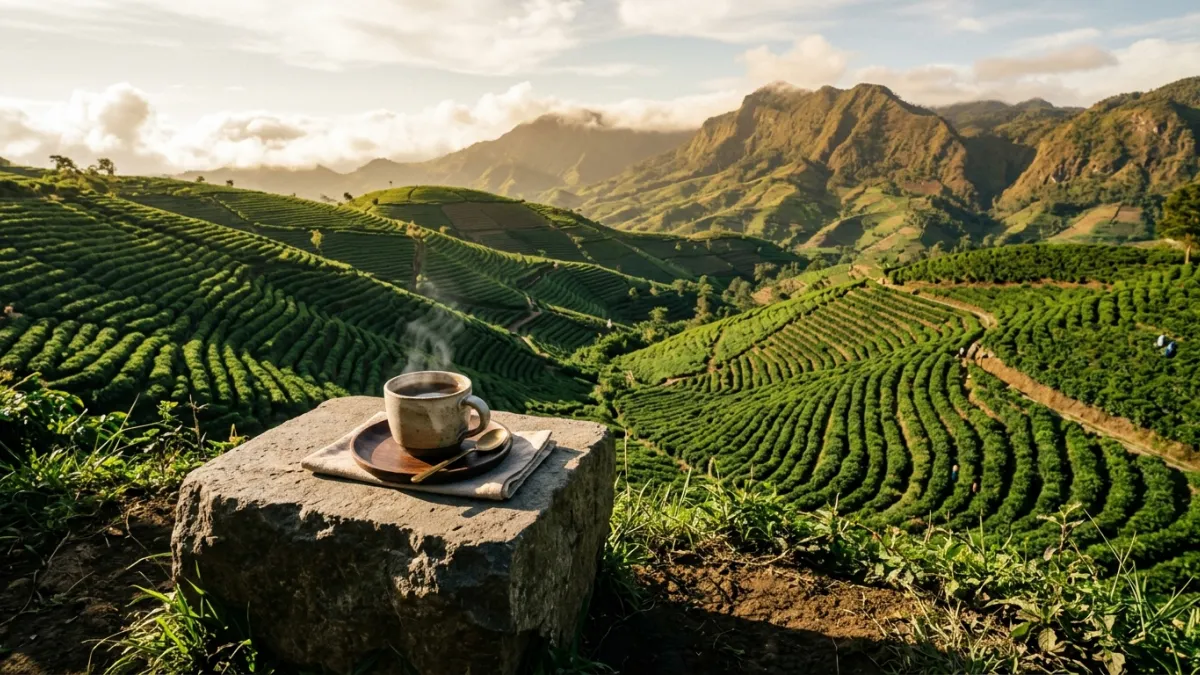
Welcome, fellow coffee adventurers, to another journey with coffee brew hub! Today, we’re setting our sights on the sprawling archipelago of Indonesia – a land renowned not just for its breathtaking landscapes but also for producing some of the world's most distinctive and sought-after coffees. If you've ever savored a cup with deep, earthy notes or complex spice, chances are you've experienced the magic of Indonesian beans.
Indonesia's volcanic soil, tropical climate, and unique processing methods give birth to coffees unlike any other. While many regions contribute to its rich tapestry, three stand out for their iconic and vastly different profiles: Sumatra, Java, and Sulawesi. Let's delve into what makes each of these origins a star in its own right and how you can unlock their full potential in your home café.
Sumatra: The Earthy Enigma
Sumatra is arguably the most famous Indonesian coffee origin, celebrated for its bold, full-bodied, and often exotic flavors. The island's unique approach to coffee processing, known as Giling Basah (wet-hulling), is primarily responsible for its signature characteristics.
The Giling Basah Process
Unlike the fully washed process common in Central and South America, Giling Basah involves partially drying coffee cherries, removing the parchment while the beans still have a high moisture content (around 30-35%). They are then dried further. This method imparts a distinctive deep green hue to the beans and contributes significantly to their unique flavor profile.
Flavor Profile
- Acidity: Low
- Body: Exceptionally full and syrupy
- Notes: Earthy, woody, mushroom, dark chocolate, cedar, spice (clove, black pepper), tobacco, sometimes even a hint of grapefruit.
Popular Varieties: Mandheling, Lintong, and Gayo are the most well-known Sumatran coffees, each offering subtle variations on the island's classic profile. They are often roasted darker to accentuate their robust qualities.
Java: The Historic Elegance
Java holds a special place in coffee history, being one of the first places outside of Ethiopia and Yemen where coffee was cultivated on a large scale by the Dutch in the 17th century. Java coffee is typically grown on large estates, which often employ more standardized processing methods than some smaller farms in other regions.
Processing Methods
While some traditional Java coffees might see variations, the predominant method for Java coffee is fully washed (wet-processed). This involves removing the fruit pulp shortly after harvest and then washing the beans before drying, resulting in a cleaner, brighter cup compared to Sumatran coffees.
Flavor Profile
- Acidity: Medium, bright
- Body: Medium to full
- Notes: Clean, sweet, dark chocolate, nutty, malty, sometimes with a subtle herbal or spicy undertone. Compared to Sumatra, Java coffees are generally brighter and less earthy.
Popular Varieties: Most Java coffees are named simply "Java Estate" or by the specific estate they come from (e.g., Blawan, Jampit). They offer a refined balance and a comforting richness.
Sulawesi (Toraja): The Rustic Sweetness
Traveling east from Java, we arrive at Sulawesi, an island known for its dramatically shaped land and the high-altitude, volcanic regions where coffee thrives. The most famous coffee from Sulawesi hails from the Toraja region, known for its strong cultural identity and unique coffee character.
Processing Methods
Sulawesi coffees often utilize a variation of the semi-washed or wet-hulled process, similar to Sumatra but often with slightly longer fermentation or drying periods, which can lead to a cleaner profile than some Sumatran beans. Fully washed processing is also common, especially for specialty lots.
Flavor Profile
- Acidity: Low to medium
- Body: Full, viscous
- Notes: Dark chocolate, ripe fruit (blackberry, plum), spice, sweet tobacco, rustic sweetness, sometimes notes of savory herbs or a clean earthiness. It often strikes a beautiful balance between Sumatra's earthiness and Java's cleanliness, with its own distinct fruit-forward complexity.
Popular Varieties: Toraja coffee is the most renowned, often sought after for its nuanced sweetness and balanced character.
What Makes Indonesian Coffee So Special?
Beyond individual profiles, what unites these distinct origins under the Indonesian banner is a shared set of influences:
- Volcanic Soil: The nutrient-rich volcanic soil across the archipelago provides an ideal growing environment.
- Unique Processing: Giling Basah in Sumatra, and variations of semi-washed methods elsewhere, contribute heavily to the distinct body and flavor.
- Diverse Microclimates: From high-altitude mountain regions to lush valleys, Indonesia offers a vast range of growing conditions.
Brewing Your Indonesian Masterpiece
To truly appreciate these incredible coffees in your kitchen, consider these tips:
- Roast Level: Indonesian coffees, particularly Sumatran and Sulawesi, often shine at medium to dark roasts, which highlight their deep, rich flavors. Java coffees can be equally enjoyable at medium roasts to preserve their brighter acidity.
- Brewing Method:
- For Sumatra, methods that emphasize body and richness like a French press, AeroPress, or pour-over with a slightly coarser grind work wonderfully.
- Java's cleaner profile is excellent in a pour-over or drip machine, allowing its balanced notes to shine through.
- Sulawesi is versatile, performing beautifully in pour-overs, siphon, or even a well-executed espresso shot to bring out its complex sweetness.
- Grind Size: Adjust your grind to suit the method and desired extraction. For full-bodied coffees, don't be afraid to go slightly coarser to prevent over-extraction and bitterness.
Exploring Indonesian coffee is a journey into depth, complexity, and unique traditions. From Sumatra's earthy embrace to Java's elegant balance and Sulawesi's rustic sweetness, each cup tells a story. We at coffee brew hub encourage you to experiment, taste, and discover your personal favorite. Turn your kitchen into a world-class café, one Indonesian bean at a time!