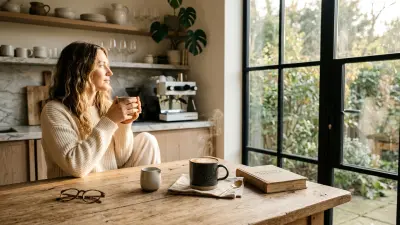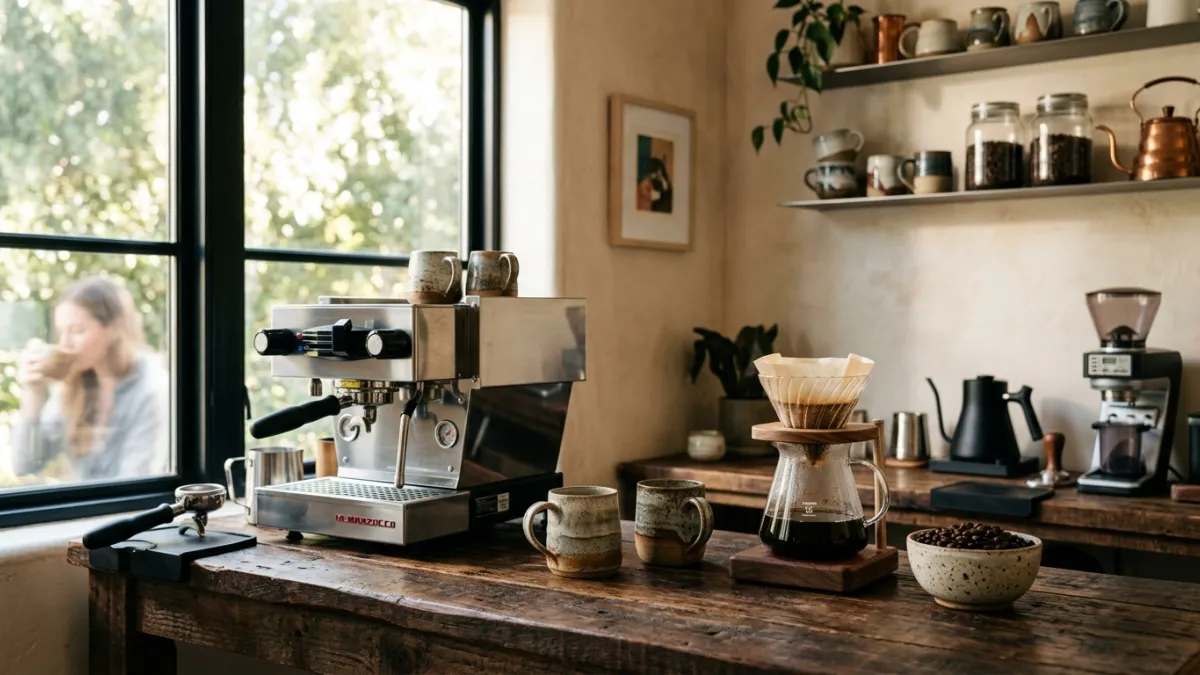
Imagine waking up to the aroma of freshly brewed coffee, stepping a few feet, and crafting your perfect cup right in your own kitchen. This isn't just a dream – it's the reality of having a dedicated home coffee bar. At Coffee Brew Hub, we believe that mastering coffee brewing starts with the right setup, and it doesn't have to break the bank. Whether you're a curious beginner or a seasoned enthusiast, this guide will help you build your ideal coffee sanctuary, no matter your budget.
Why Every Home Needs a Coffee Bar
A home coffee bar is more than just a collection of gadgets; it's a statement of passion, a hub for creativity, and a daily ritual that elevates your mornings. It streamlines your brewing process, keeps everything organized, and encourages experimentation with different beans and methods. Plus, it saves you money in the long run by reducing those daily café runs!
The Bare Essentials: Your Starter Coffee Bar (Under $100-$150)
You don't need much to start. Focus on fundamental equipment that impacts flavor most.
- Quality Coffee Beans: This is non-negotiable. Always buy fresh, whole beans from a reputable local roaster or online specialty shop. This is where your money makes the biggest difference.
- A Reliable Grinder (Manual): A burr grinder is crucial for consistent particle size, which leads to better extraction. A good manual burr grinder (like the Hario Skerton or Timemore C2) is affordable and offers excellent grind quality for its price. Expect to pay $30-$60.
- Simple Brewing Device:
- French Press: Easy to use, forgiving, and produces a full-bodied cup. A 34oz French press can be found for $20-$30.
- Pour Over (e.g., Hario V60 or Kalita Wave): Requires a bit more technique but yields a clean, nuanced cup. A plastic V60 dripper is under $10, paper filters are $5-$10.
- Aeropress: Incredibly versatile, durable, and produces anything from espresso-like shots to full immersion brews. Around $35-$45.
- Measuring Spoon/Scoop: For consistent dosing. Often comes with brewing devices or costs a few dollars.
With these items, you're well on your way to brewing fantastic coffee at home!
Stepping Up Your Game: The Mid-Range Home Coffee Bar ($150-$500)
Ready to refine your technique and explore more consistency? This budget allows for significant upgrades.
- Electric Burr Grinder: A good entry-level electric burr grinder (like the Baratza Encore or a Capresso Infinity) will offer more convenience and often better consistency than manual grinders, especially for larger batches. Expect $100-$180.
- Gooseneck Kettle: Essential for pour-over brewing, providing precise control over your water flow. A stovetop gooseneck kettle is around $30-$50; an electric one with temperature control might be $60-$100.
- Digital Scale with Timer: Precision is key in coffee. A good scale (like the Hario V60 Drip Scale or Timemore Black Mirror Basic) measures both grounds and water, crucial for consistent recipes. $30-$60.
- Additional Brewing Devices: Explore options like the Chemex for a clean, tea-like cup, or a Moka Pot for strong, concentrated coffee. (~$25-$50 each).
- Air-tight Coffee Storage: To keep your precious beans fresh longer. A Fellow Atmos or similar canister is a great investment ($30-$40).
The Dream Setup: High-End Home Coffee Bar ($500+)
For the ultimate home barista experience, this budget opens doors to professional-grade equipment and specialized tools.
- Espresso Machine: This is the centerpiece for many dream setups.
- Entry-level Espresso Machines: Brands like Breville (e.g., Bambino Plus) or Gaggia Classic Pro offer excellent performance for home use. ($400-$800).
- Mid-range to Prosumer: Machines from Rancilio, ECM, or Lelit provide even greater control, durability, and features like PID temperature control or rotary pumps. ($1000-$3000+).
- High-End Electric Burr Grinder: Essential for espresso, but also superb for filter coffee. Look for grinders like the Baratza Sette, Eureka Mignon series, or Niche Zero for precision, speed, and consistency. ($300-$700+).
- Advanced Kettle: An electric variable temperature gooseneck kettle (e.g., Fellow Stagg EKG) offers precise temperature control and aesthetics. ($150-$200).
- Tamper & Distribution Tool (for Espresso): Upgraded tamper and a WDT (Weiss Distribution Technique) tool for perfect puck preparation. ($50-$100+).
- Knock Box: A sturdy container for discarding espresso pucks. ($20-$50).
- Milk Steaming Pitcher & Thermometer: For latte art and perfectly textured milk. ($20-$40).
- Reverse Osmosis (RO) or Filtered Water System: For optimal taste and machine longevity. ($100-$300+).
Beyond the Gear: Universal Tips for Every Budget
Some elements of a great coffee bar have nothing to do with price.
Quality Beans are Non-Negotiable
No matter how fancy your equipment, poor quality or stale beans will yield poor coffee. Invest in fresh, whole beans from a roaster you trust. Look for roast dates, not "best by" dates, and consume within a few weeks of roasting.
Water: The Unsung Hero
Coffee is over 98% water! Filtered water is essential to avoid off-flavors and protect your equipment from mineral buildup. A simple Brita filter pitcher is a great start; more advanced filters are available for higher budgets.
&h3>Organization & AestheticsDesignate a specific area for your coffee bar. Use trays, shelves, or even a small cart to keep everything tidy and accessible. Consider your space and how items flow during your brewing routine. A clean, inviting space enhances the experience.
&h3>Maintenance MattersRegular cleaning of your grinder, brewing devices, and espresso machine is paramount for taste and longevity. Descale your kettle and espresso machine regularly according to manufacturer instructions.
Setting up a home coffee bar is a journey, not a destination. Start small, master the basics, and gradually upgrade your equipment as your passion and budget allow. The most important ingredient is your enthusiasm to learn and experiment. Happy brewing, and welcome to your personal café at Coffee Brew Hub!