The Art of Cold Brew: Why Steeping Time is Your Secret Weapon
Ah, cold brew! The smooth, low-acid, and incredibly refreshing cousin to your morning hot coffee. It’s a staple for many, especially as the weather warms, offering a delightful coffee experience that’s surprisingly easy to make at home. But the magic, the true mastery, lies in one critical factor: steeping time. Get it right, and you unlock a symphony of flavors. Get it wrong, and you might end up with something weak or overly bitter.
At coffee brew hub, we believe in empowering you to turn your kitchen into a personal café. Understanding how long to steep your cold brew is fundamental to achieving your desired strength and flavor profile. Let’s dive into the frequently asked questions about this crucial timing.
What's the Ideal Cold Brew Steep Time? A General Guideline
There isn't a single "perfect" steep time, as it's highly dependent on personal preference and other variables. However, a widely accepted range for a balanced, ready-to-drink cold brew concentrate is generally between 12 to 24 hours. This timeframe allows for sufficient extraction of coffee solids, oils, and caffeine without over-extracting bitter compounds often released by hot water.
How Do Factors Like Grind Size and Temperature Affect Steep Time?
Steeping time doesn't exist in a vacuum; several factors play a significant role in how quickly and efficiently your coffee extracts:
- Grind Size: This is arguably the most impactful factor. For cold brew, you typically want a coarse grind, similar to sea salt. A coarser grind offers less surface area, slowing down extraction and requiring a longer steep time. If you use a medium or fine grind, extraction will happen much faster, and you risk over-extraction and bitterness in a shorter period.
- Water Temperature: While it's called "cold" brew, the temperature isn't always ice-cold. Room temperature water extracts faster than refrigerated water. Most recipes recommend steeping in the refrigerator to keep the coffee fresh and ensure a slow, controlled extraction, which contributes to cold brew's signature smoothness.
- Coffee-to-Water Ratio: A higher coffee-to-water ratio (more coffee) means a stronger concentrate, which might need a slightly longer steep to fully develop. Conversely, a lower ratio (less coffee) might be fine with a shorter steep if you're aiming for a lighter brew.
- Coffee Bean Type & Roast: Lighter roasts are denser and often require a longer steep to fully extract their complex flavors. Darker roasts, being more porous, can extract faster and might become bitter if steeped too long.
Steeping for Your Desired Strength: A Practical Guide
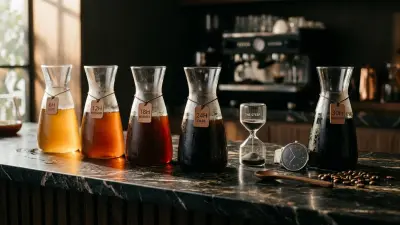
Here’s a breakdown of recommended steep times based on the strength you’re aiming for:
- Light & Bright Cold Brew (10-12 hours): If you prefer a milder, less intense coffee that's easy on the palate, a shorter steep might be for you. This often yields a brew with delicate notes, ideal for those who enjoy a subtle coffee flavor.
- Balanced & Smooth Everyday Cold Brew (12-16 hours): This is the sweet spot for many home baristas. It produces a well-rounded cold brew that's smooth, low in acidity, and has a pleasant coffee presence. It’s perfect for drinking straight or with a splash of milk.
- Bold & Strong Concentrate (16-20 hours): For a more robust flavor or if you plan to dilute your cold brew with a significant amount of water or milk, extending the steep time works wonders. You'll get a richer, more concentrated flavor that stands up well to additions.
- Ultra-Concentrate for Dilution (20-24+ hours): If you want a super potent concentrate that you'll heavily dilute (e.g., 1 part cold brew to 2-3 parts water/milk), pushing the steep time to 24 hours or even slightly beyond can be effective. Be cautious not to go much longer, as you risk over-extraction.
Can I Steep Cold Brew for Too Long? What Happens?
Yes, absolutely! While cold brew is more forgiving than hot brewing, steeping for excessively long periods (e.g., 36-48 hours or more, especially with finer grinds or warmer temperatures) can lead to over-extraction. This results in:
- Bitterness: The smooth, chocolatey notes give way to an unpleasant, acrid bitterness.
- Sourness: In some cases, prolonged steeping can introduce sour or astringent flavors.
- Muddiness: The vibrant flavors become dull and indistinct.
The goal is to extract the good stuff – the complex flavors and caffeine – and leave the undesirable bitter compounds behind.
What If My Cold Brew Doesn't Steep Long Enough?
If you cut your steep time too short, especially with a coarse grind or cold temperatures, you'll experience under-extraction. This means your cold brew will be:
- Weak and Watery: Lacking body and flavor intensity.
- Flat or Sour: The coffee's desirable characteristics won't have fully developed, leaving it tasting bland or even slightly sour due to under-extracted acids.
- Low in Caffeine: Less caffeine will have been extracted, if that's a concern for you.
What's the Best Way to Experiment and Find My Perfect Steep Time?
The beauty of home brewing is customization! We encourage you to:
- Start with a Baseline: Begin with the 12-16 hour range using a coarse grind and a consistent coffee-to-water ratio.
- Taste Test: After your initial steep, filter a small amount and taste it. Note the flavor, body, and strength.
- Adjust Gradually: If it's too weak, try steeping for another 2-4 hours. If it's too strong or bitter, note that for your next batch and shorten the steep time.
- Keep a Brew Journal: Document your coffee bean type, grind size, water-to-coffee ratio, steep time, and tasting notes. This is invaluable for replicating success and fine-tuning your technique.
How Should I Store My Cold Brew After Steeping?
Once steeped and filtered, transfer your cold brew concentrate to an airtight container and store it in the refrigerator. Properly stored cold brew can last for up to 7-10 days without significant degradation in flavor. Beyond that, it might start to lose its vibrancy and freshness.
Mastering cold brew steep time is a journey of delicious discovery. By understanding the variables and experimenting with patience, you’ll consistently brew fantastic cold brew that perfectly suits your taste buds. Happy brewing!