Dark Roast Coffee: Unveiling Its True Flavor & Brewing Secrets
For many, the mention of "dark roast" conjures images of bitter, acrid coffee – a common misconception we're here to debunk! At coffee brew hub, we believe that a well-executed dark roast can be a symphony of deep, complex flavors, far from simply "burnt." It's a testament to the roaster's skill and a rewarding challenge for the home barista. Let's dive deep into the world of dark roast, exploring its unique characteristics, how to brew it perfectly, and how to select the best beans.
What Defines a Dark Roast?
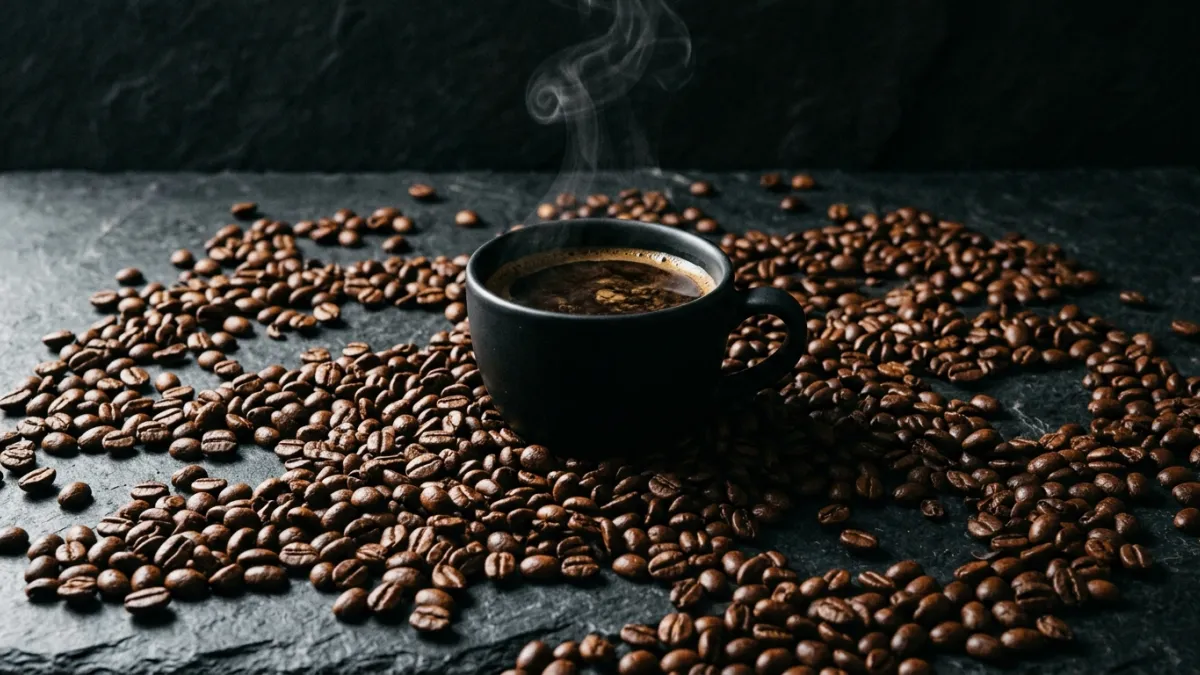
coffee beans undergo a fascinating transformation during roasting. Dark roasts are taken further than their light or medium counterparts, typically reaching temperatures between 465°F and 485°F (240°C-250°C). At this stage, the beans expand considerably, developing a dark brown, sometimes nearly black, color and an oily sheen as their internal oils migrate to the surface. The "second crack" – an audible popping sound – occurs and continues for some time during a dark roast.
- Appearance: Deep brown to black, often visibly oily.
- Body: Typically full-bodied and heavy.
- Acidity: Significantly lower than lighter roasts, often barely perceptible.
- Flavor: Dominated by roast characteristics, with less of the original bean's terroir.
Flavor Profiles Unveiled: Beyond the Bitter
When roasted correctly, dark roasts offer a rich tapestry of flavors that are distinct and satisfying. Forget the idea that all dark roasts taste the same; nuances abound!
- Chocolate & Caramel: These are often primary notes, ranging from bittersweet dark chocolate to creamy milk chocolate and rich, burnt caramel.
- Earthy & Woody: Especially common in dark roasts from certain origins, providing a grounding, rustic depth.
- Nutty: Notes of toasted almonds, walnuts, or pecans can emerge, adding complexity.
- Low Acidity & Sweetness: While acidity is reduced, a pleasant, almost molasses-like sweetness can develop, balancing the roast notes.
The key is balance. A well-roasted dark coffee will have a profound depth without being overwhelmingly bitter or ash-like.
Brewing Dark Roasts for Perfection
Dark roasts are less forgiving than lighter roasts when it comes to brewing parameters. Their cellular structure is more open, and the oils are more exposed, meaning they extract faster. Over-extraction is the enemy, leading to that dreaded bitterness. Here’s how to master it:
General Tips for All Methods:
- Water Temperature: Aim slightly lower than you would for lighter roasts. Around 195-200°F (90-93°C) is ideal to prevent over-extraction.
- Brew Time: Shorter extraction times are often necessary. Pay attention to your taste.
- Water Quality: Always use filtered water. Tap water impurities can drastically affect flavor.
Method-Specific Brewing Guides:
1. French Press: The Dark Roast Champion
The French Press is arguably the best method for dark roasts, allowing their full body and oils to shine without filters stripping away desirable components.
- Grind: Very coarse, like sea salt.
- Ratio: 1:15 (e.g., 60g coffee to 900g water).
- Water Temp: 195-200°F (90-93°C).
- Brew Time: 3.5-4 minutes. Stir gently after 1 minute to ensure all grounds are saturated. Plunge slowly and evenly.
2. Espresso: The Classic Bold Shot
Dark roasts are a staple for espresso, producing a thick crema and intense flavor. They are also more forgiving on finicky espresso machines.
- Grind: Very fine, but slightly coarser than for a light roast espresso.
- Dose: Standard 18-20g for a double shot.
- Water Temp: 195-200°F (90-93°C) at the group head.
- Extraction: Aim for 25-30 seconds for a 2:1 yield (e.g., 18g in, 36g out). Adjust grind to hit this target.
3. Pour Over/Drip: Precision is Key
While less common, a dark roast can be excellent in a pour over with careful technique.
- Ratio: 1:16 (e.g., 25g coffee to 400g water).
- Water Temp: 198-200°F (92-93°C).
- Brew Time: Total extraction 2.5-3.5 minutes. Use a gentle, even pour, avoiding agitation.
Choosing the Best Dark Roast Beans
Selecting the right beans is paramount for a great dark roast experience. Here's what to look for:
- Freshness: Always check the roast date! Dark roasts can stale faster due to their oiliness. Aim for beans roasted within 1-3 weeks.
- Reputable Roaster: A good roaster knows how to bring out the best in a dark roast without burning it. Look for roasters who describe specific flavor notes, not just "bold."
- Origin Matters (Even for Dark Roasts): While roast characteristics dominate, the origin still lends a base flavor. Indonesian (Sumatra, Java) often provide earthy, robust notes. Brazilian beans can offer chocolate and nuttiness. Central American beans might retain a hint of fruit or brightness even when dark roasted.
- Blends: Many excellent dark roasts are blends, carefully crafted to achieve a balanced, complex profile ideal for espresso or strong drip coffee.
Conclusion: Embrace the Dark Side Done Right
Dark roast coffee, when approached with understanding and proper technique, is anything but one-dimensional. It offers a profound depth of flavor, a satisfying full body, and a comforting richness that many coffee lovers crave. Don't let past bitter experiences deter you. With the tips from coffee brew hub, you now have the knowledge to demystify dark roasts, master their brewing, and transform your kitchen into a personal café dedicated to enjoying these bold, beautiful beans. Experiment, taste, and discover the true potential of the dark side!